


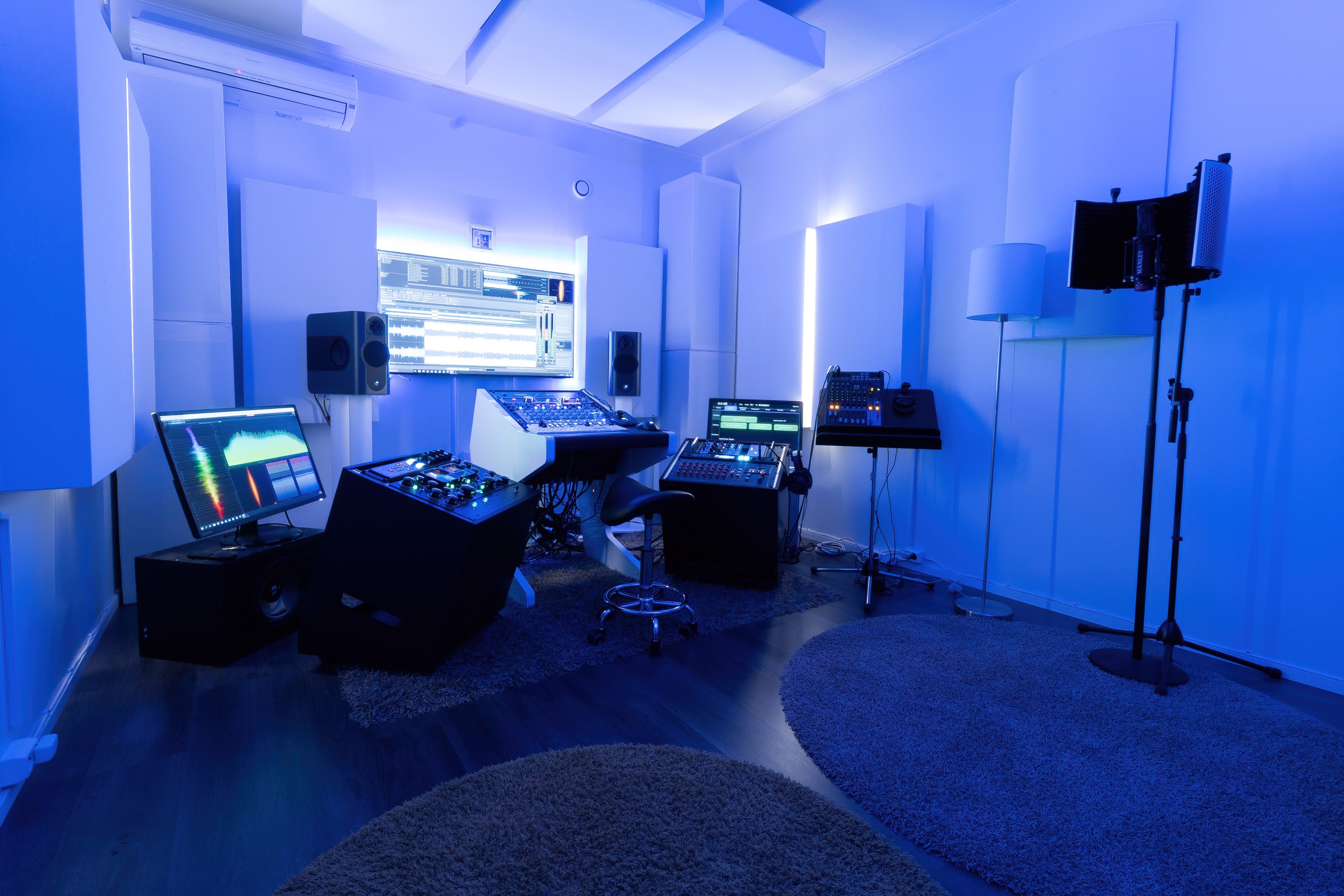
Trust What You Hear, Create With Confidence
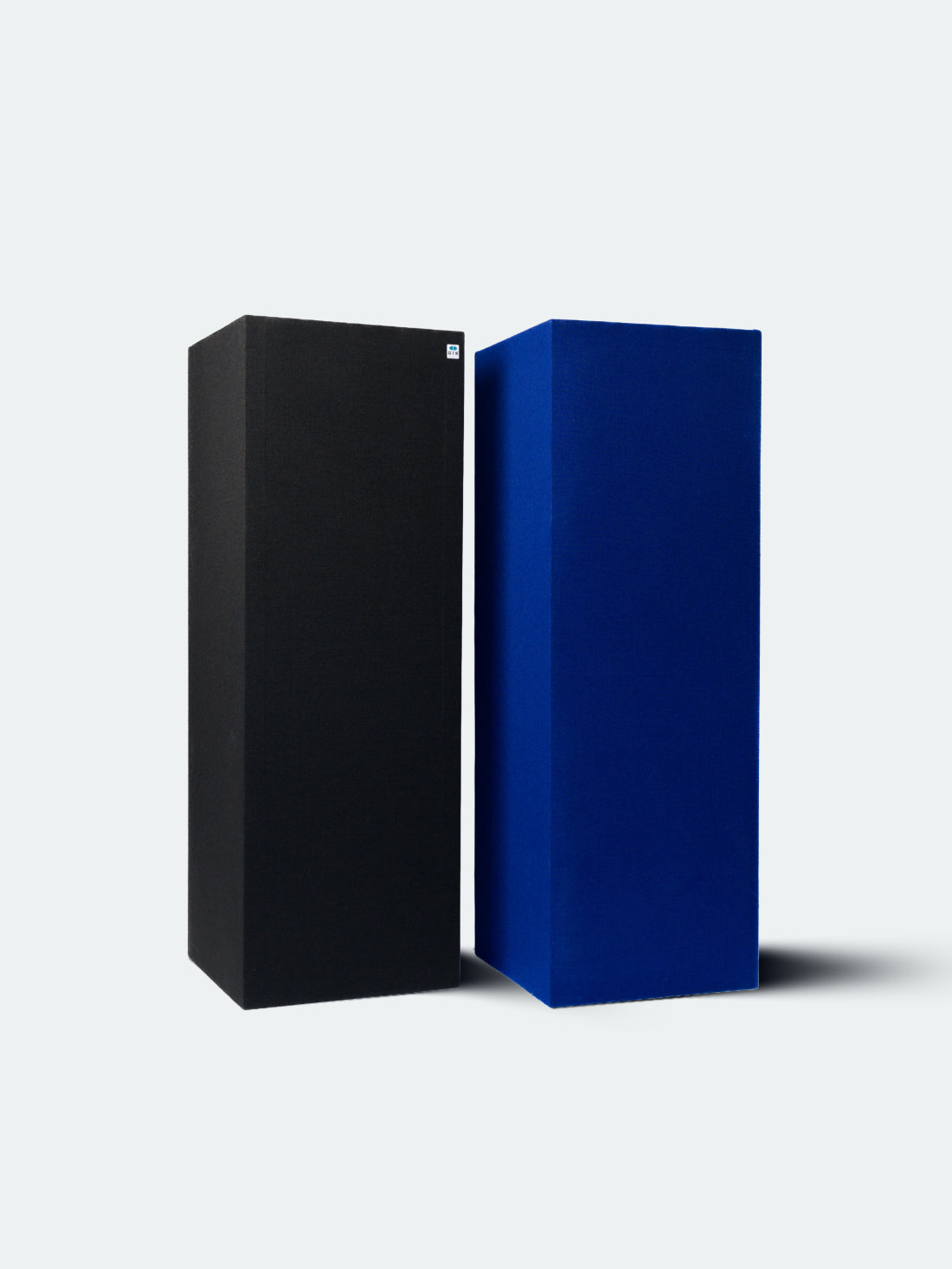
The goal of treating a music studio is to create an environment where the room itself isn’t standing in the way of creativity. By removing acoustic barriers, you avoid creative roadblocks that would otherwise have to be “fixed in the mix.” Producing music is better in every way when you can trust what you hear. Since low frequencies demand the most space to tame, we have multiple options maximize the space available for treatment so even the deepest bass is controlled without compromising the room’s usability.
Music Studio Products




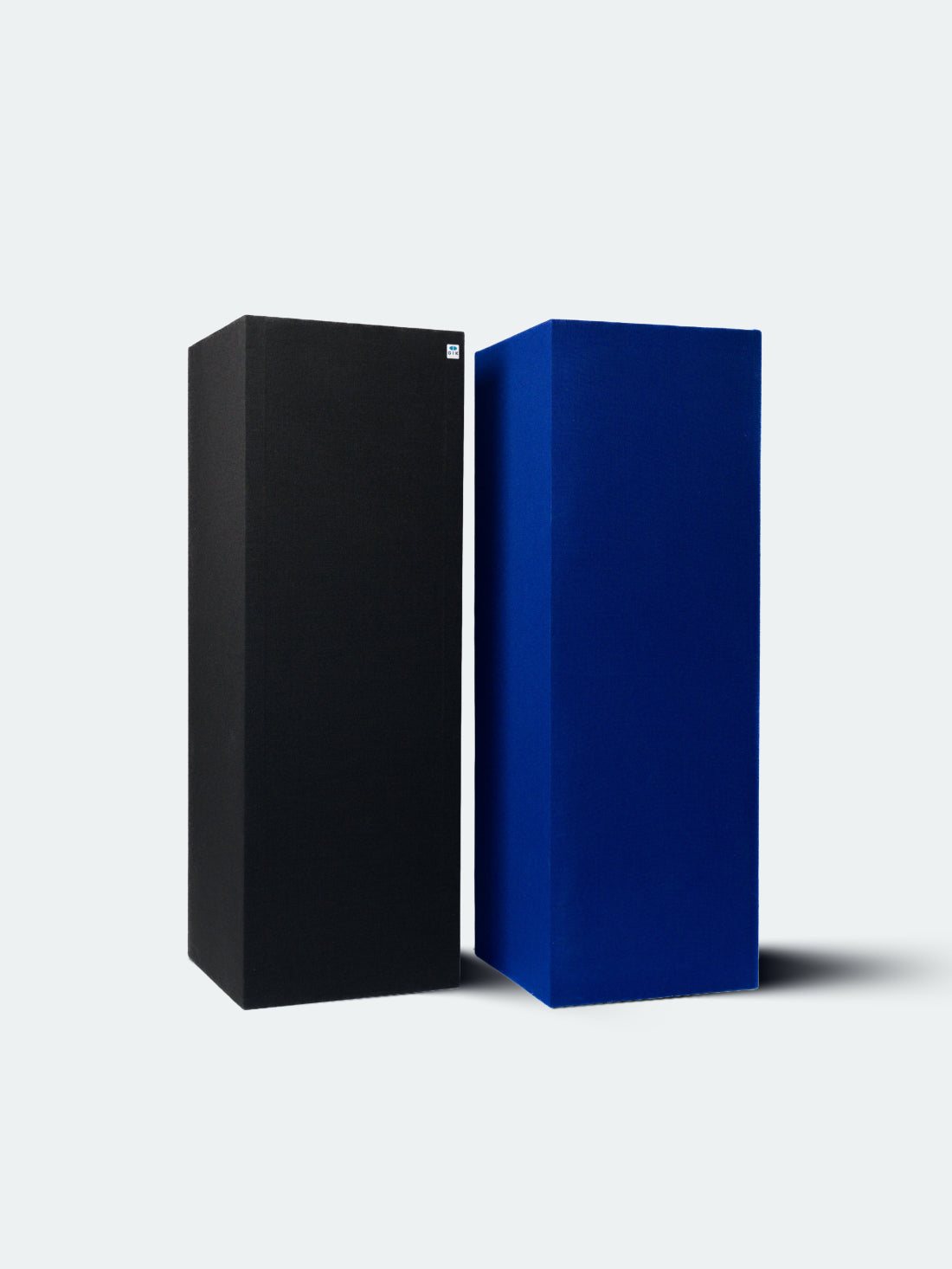
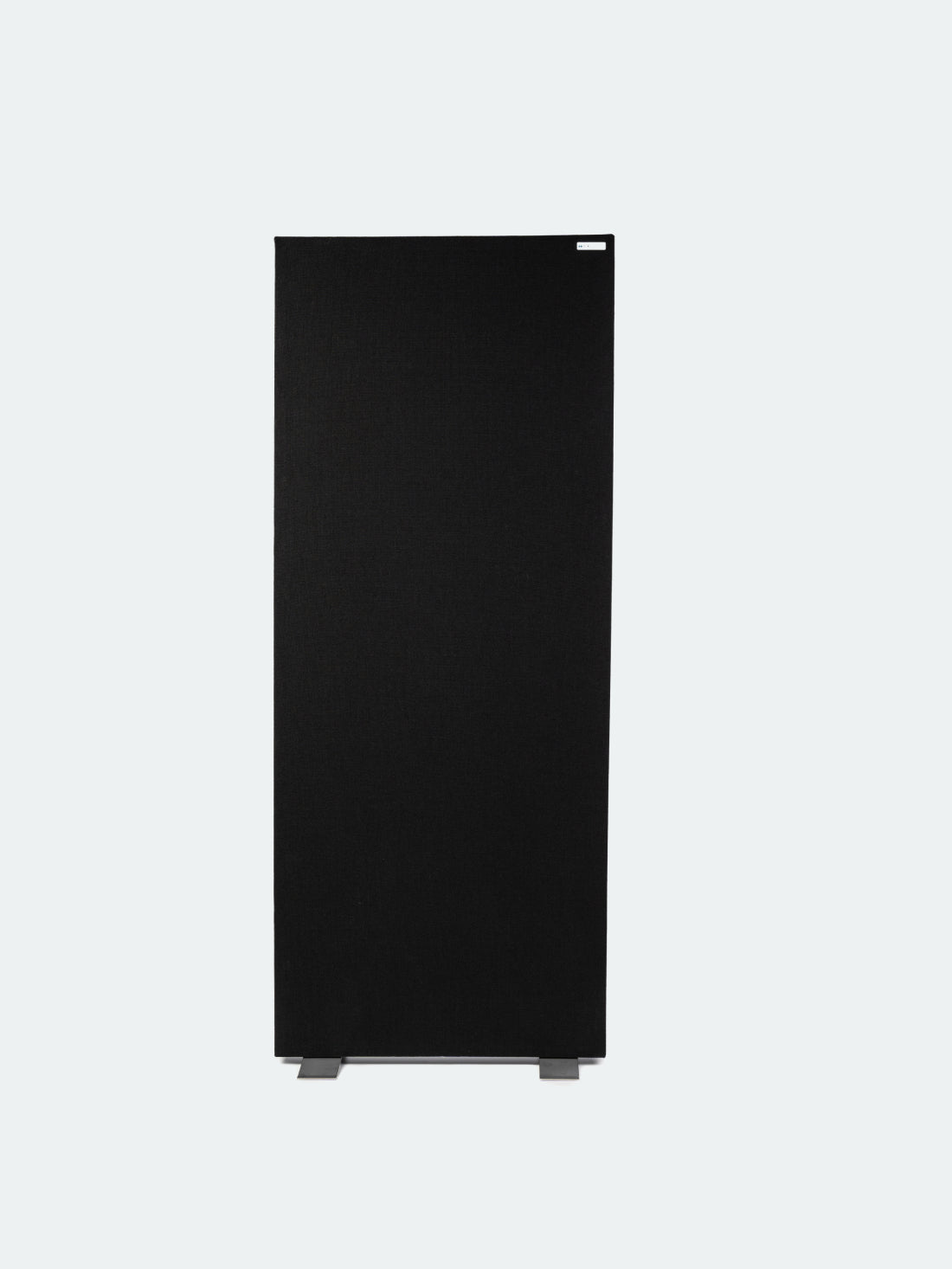
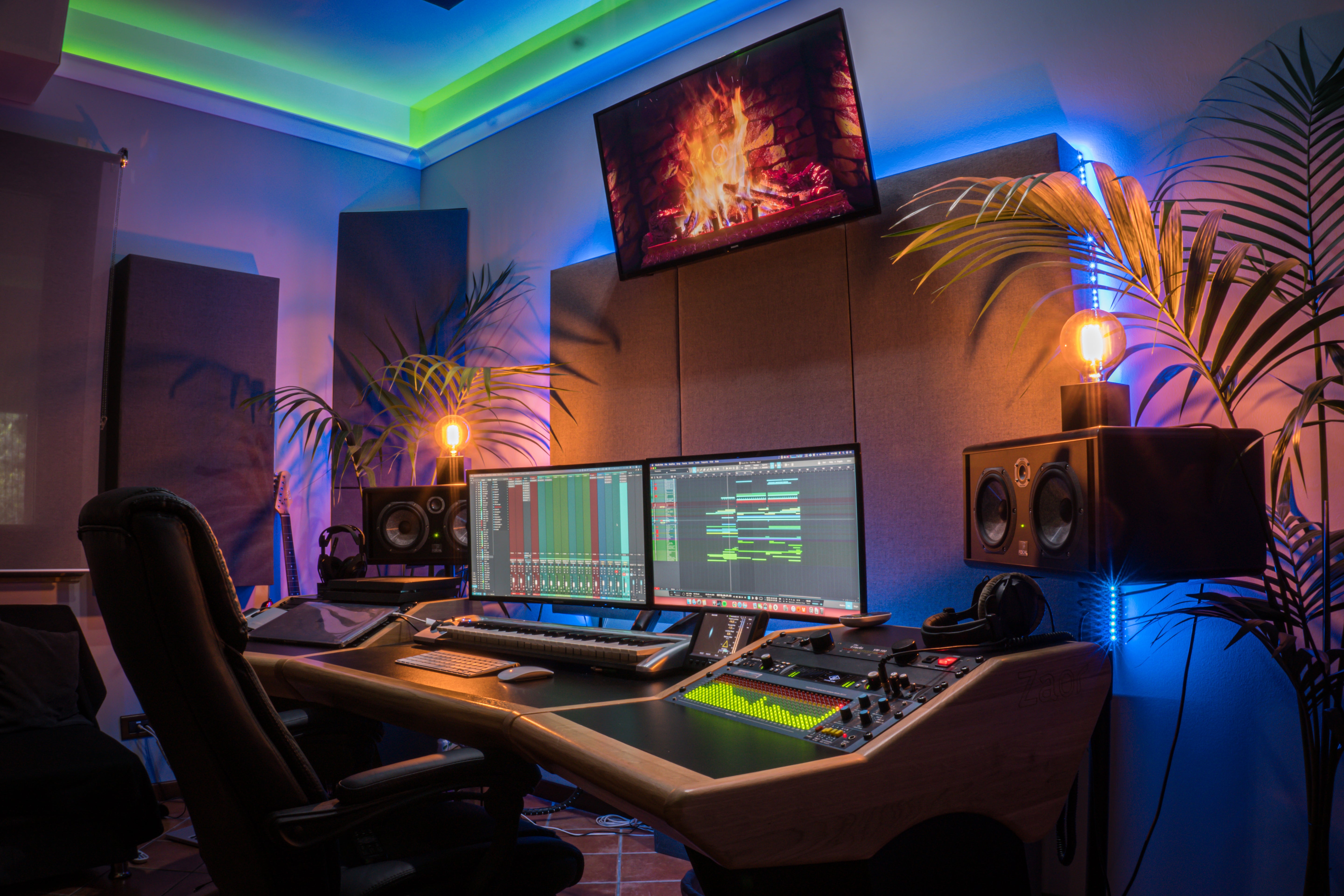
Accurate Monitoring
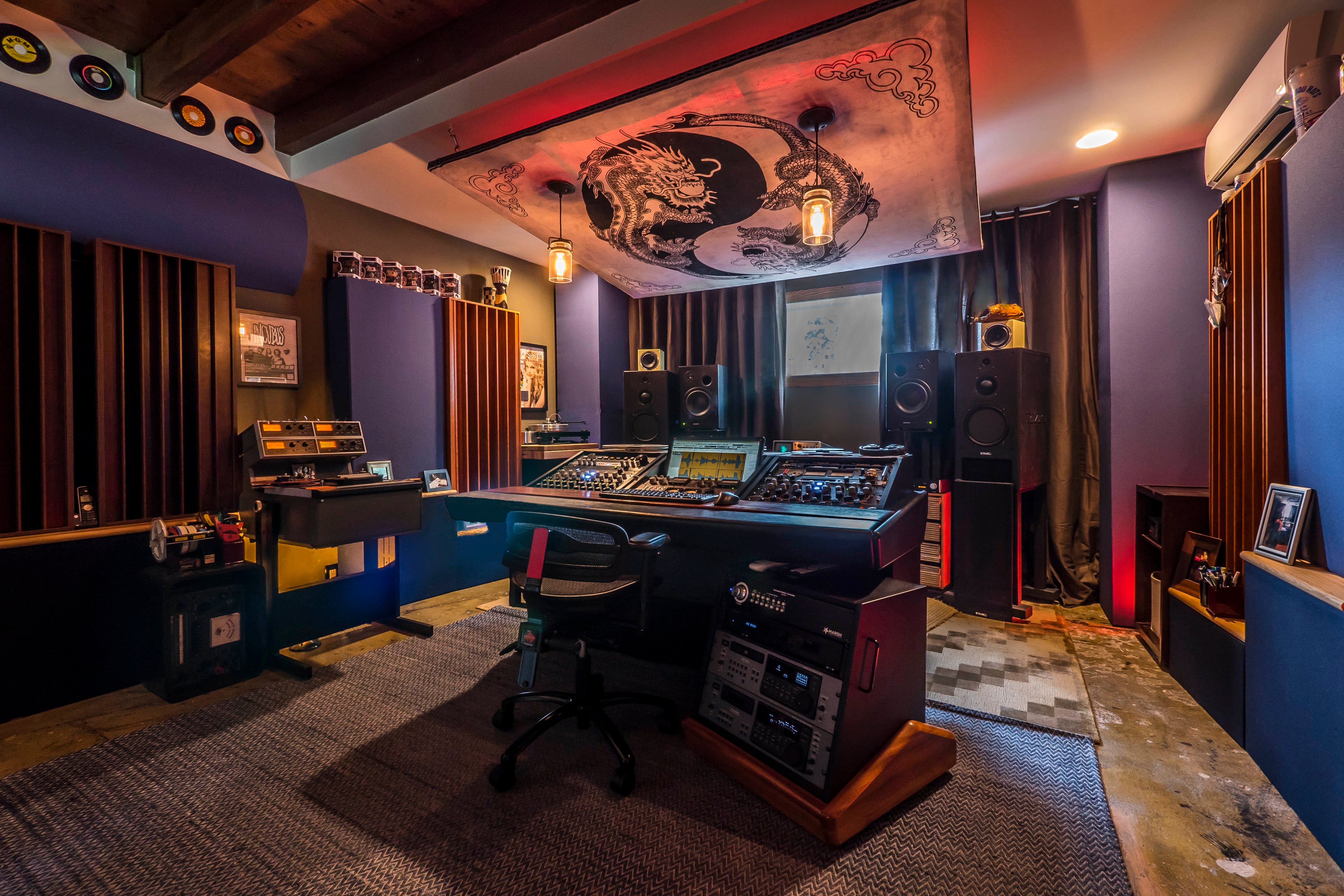
Every studio begins with a trustworthy monitoring environment. This requires a combination of good speaker placement, bass trapping, and early reflection management. Without accurate monitoring, every decision is second-guessing. With it, mixing and mastering become more precise, efficient, and creative.
Good Microphone Recordings
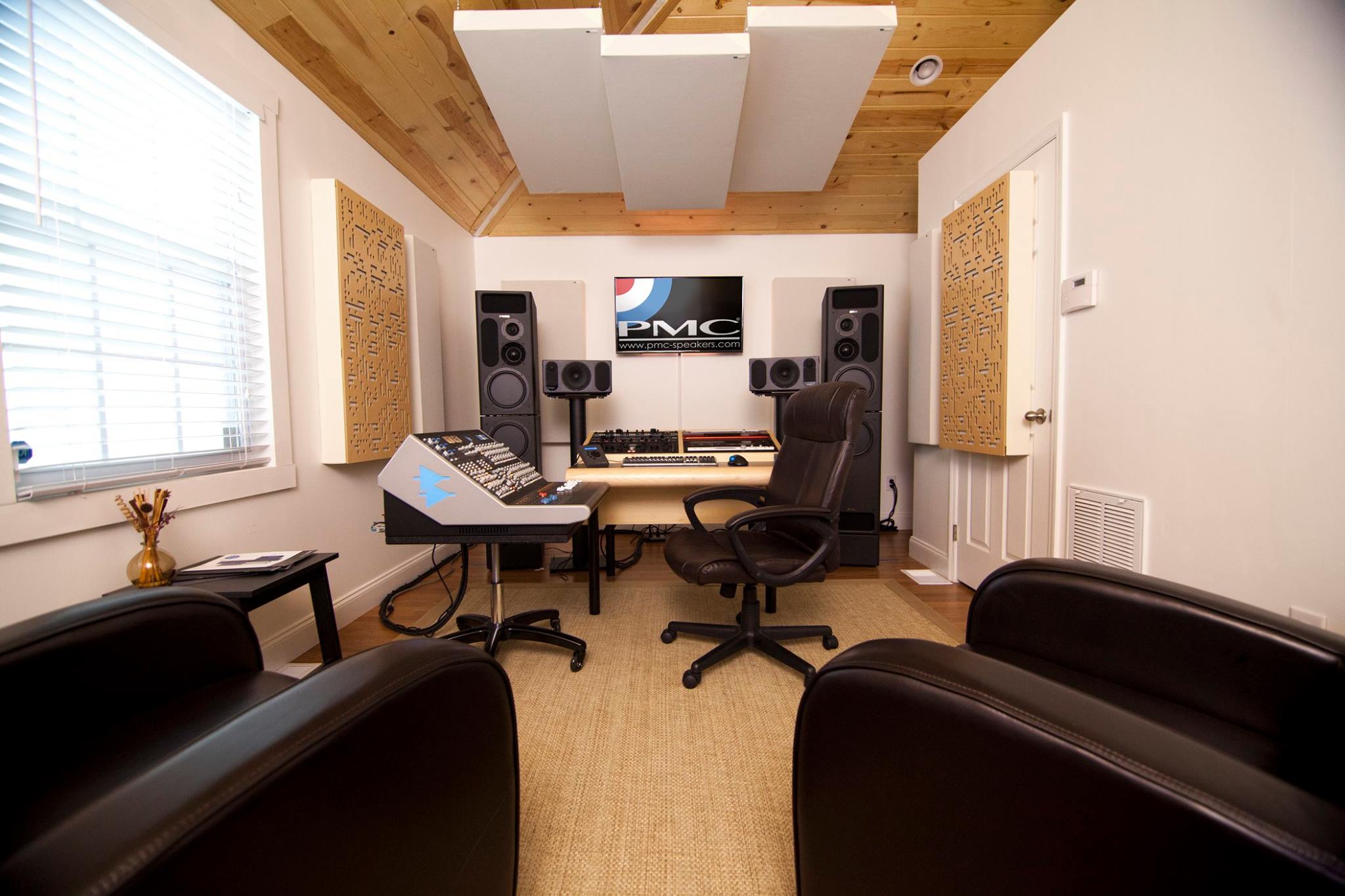
Bass trapping from your monitoring strategy also benefits recording, reducing muddiness and boxiness. Balanced treatments in the recording area improve clarity and focus, allowing microphones to capture the true sound of instruments and voices. Instead of mic placement being damage control, it becomes a creative tool with more usable options and more inspiring results.
A Neutral and Balanced Room
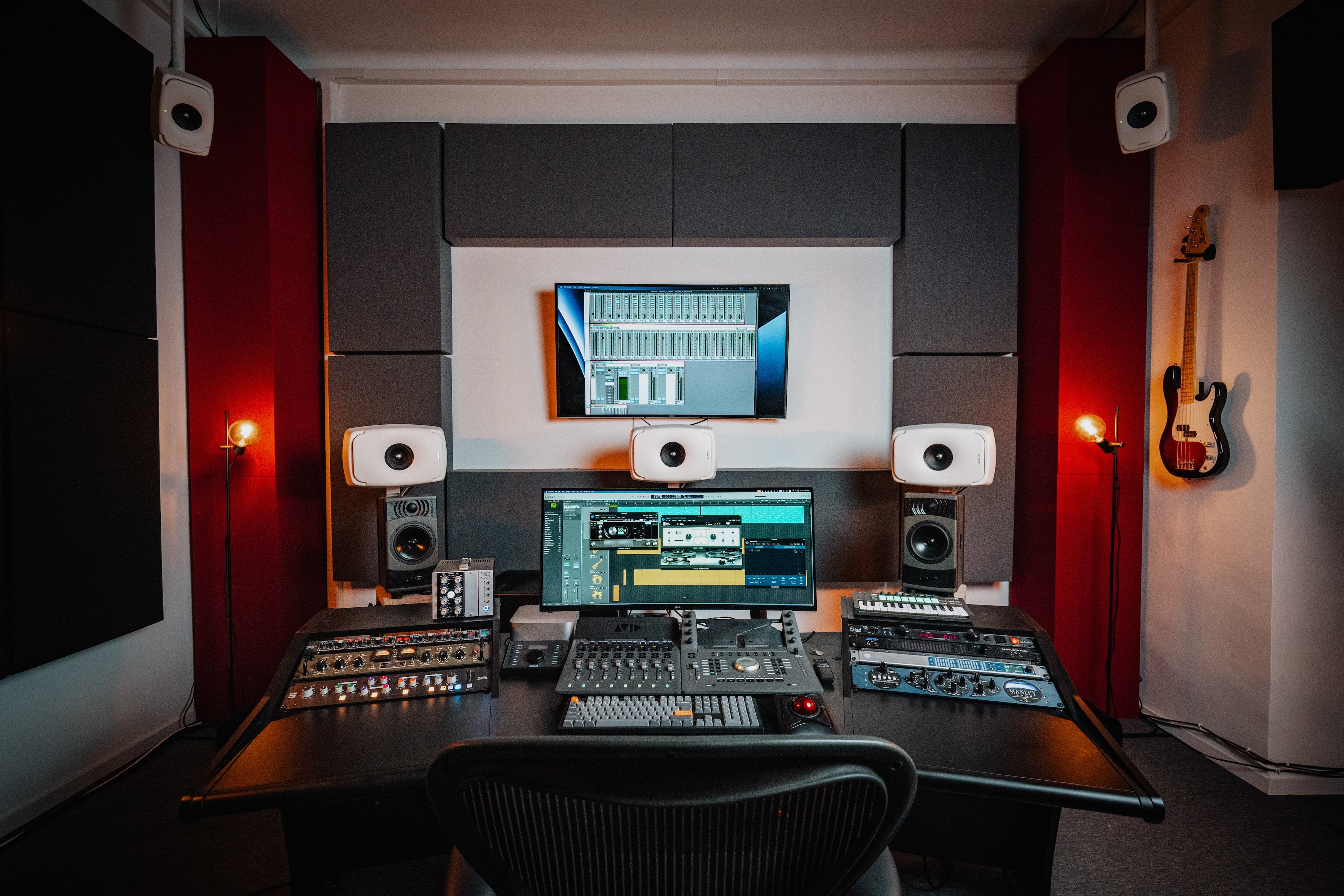
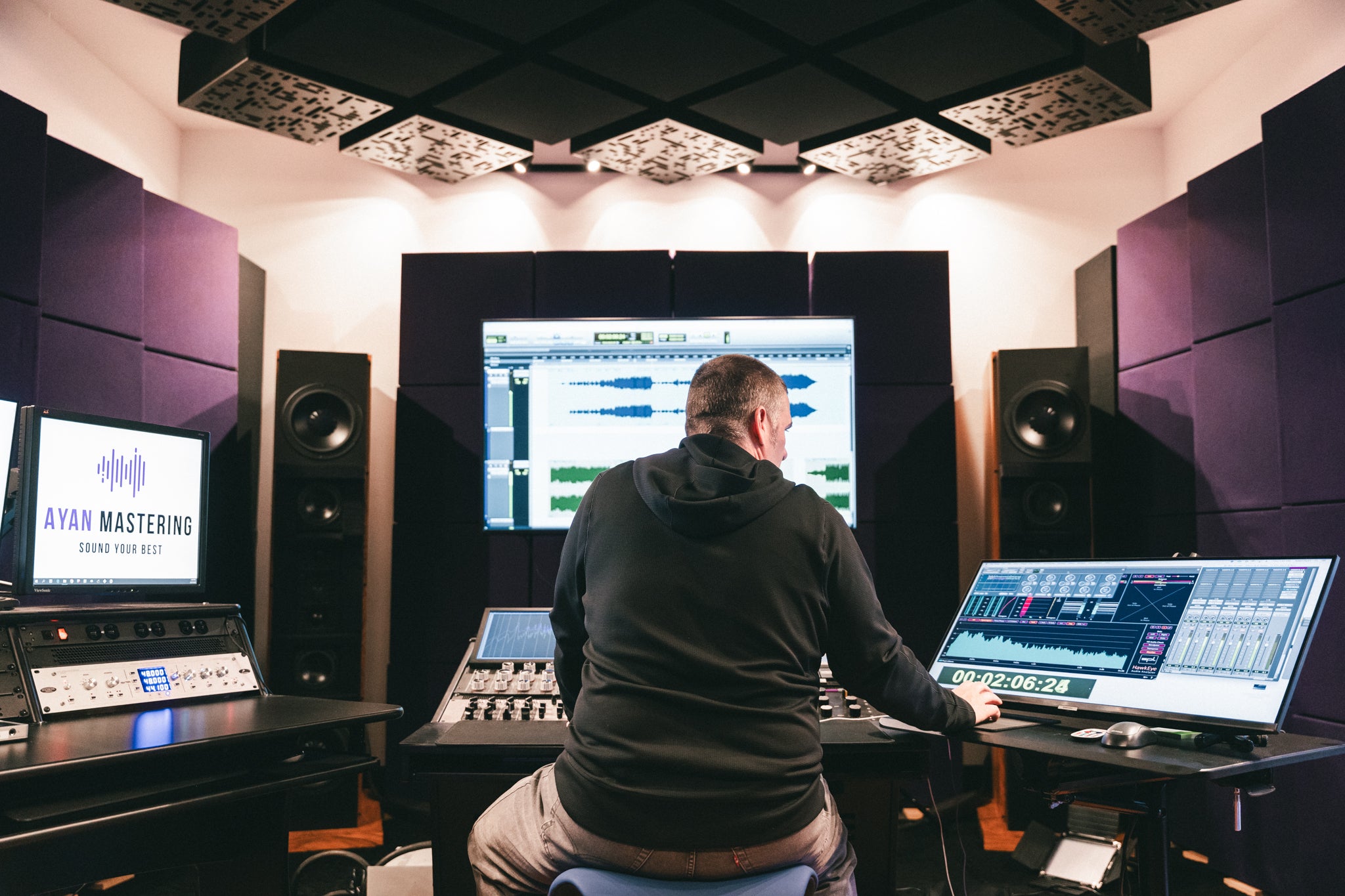
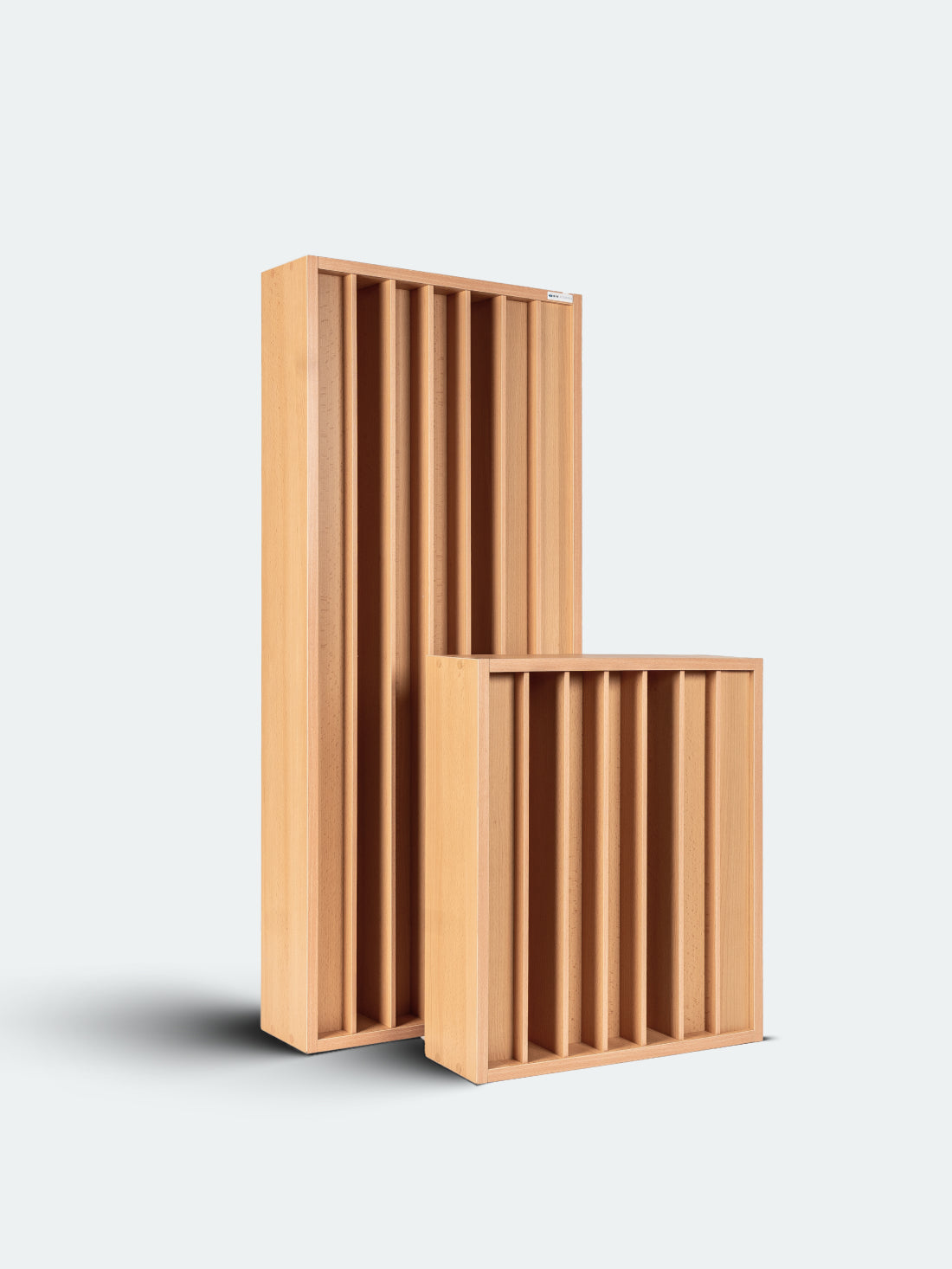
A studio should never feel sterile or fatiguing. Proper balance between absorption and diffusion creates a neutral environment with natural tone and comfortable vibe. GIK’s many solutions, including the Amplitude Series of hybrid bass trap/diffusers, help ensure long sessions remain pleasant while maintaining the accuracy needed for professional results.

Explore more treatment


A Deeper Dive


How to Build a Podcast Studio for Clear Audio

How Thick Should Acoustic Panels Be?
Frequently Asked Questions (FAQ)
Do I really need acoustic treatment if I already have high-end monitors?
Yes. Even the best monitors can’t overcome the physics of an untreated room. Without treatment, bass buildup, comb filtering, and reflections distort what you hear, leading to mixes that don’t translate outside your studio.
How much treatment does a small project studio actually need?
It depends on the size and shape of the room, but coverage area is always the main determinant of performance. Bass trapping in corners and absorbers at reflection points are a good starting point. From there, adding more coverage with various devices improves balance and consistency.
Won’t too much treatment make my room sound “dead”?
Not if it’s balanced correctly. Thin foam or absorbers that only target highs can make a room feel unnatural, but broadband bass traps and hybrid diffusion keep the room natural, neutral, and accurate.
What’s the most important first step if I’m on a budget?
Start with bass trapping. Controlling low frequencies makes the biggest impact on accuracy. Adding panels at reflection points is a close second. When starting on a budget, it's often helpful to get as many high-value, versatile devices into the room as you can, and then experiment with placements to see where they help you the most. Even a few well-placed treatments can make obvious improvements in most rooms.
Can GIK help me design my studio treatment plan?
Of course! Our design team has consulted on tens of thousands of rooms worldwide. Through our free Acoustics Advice Form to launch the consultation, we’ll review your space, your gear, and your goals, then create a tailored plan that maximizes performance within your budget and available space.