


Case Studies
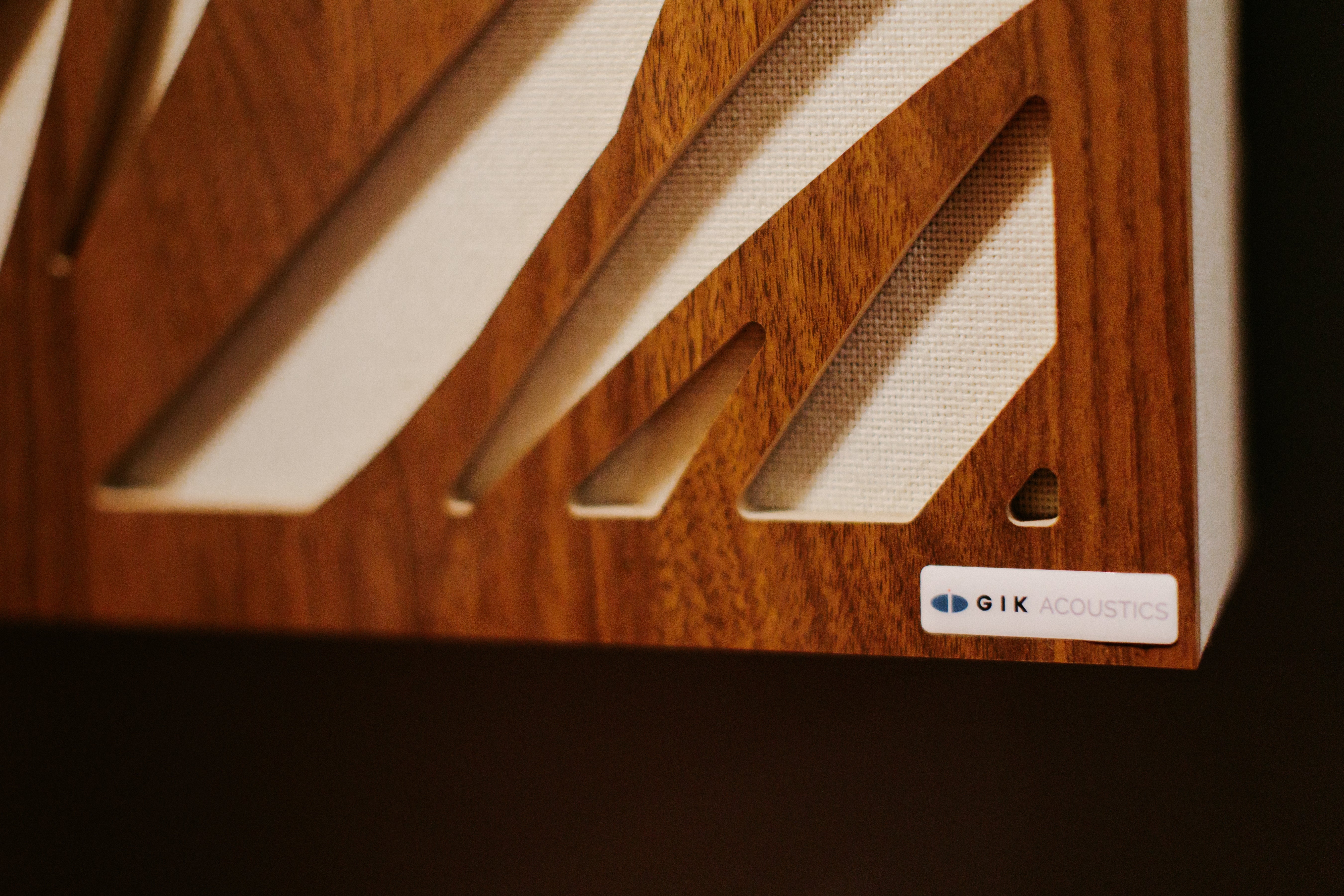
Updating Mapa Studios with acoustic treatment from GIK Acoustics
Madrid, Spain Mapa Studios, based in central Madrid, is a long-established music studio which runs five rooms for recording, mixing and production, supporting a mix of external bookings and label-led sessions. The studio is also home to the European base...

Transforming Zach Adams' Studio
A Behind-the-Scenes Look at the GIK Consultation & Design Process When people ask what the GIK consultation process actually looks like, Zach Adams’ Nashville studio is a strong example because it exemplifies what many of our clients are doing. Zach...

Case Study: Designing a Next-Generation Mastering Room for Adam Ayan
When Grammy-winning mastering engineer Adam Ayan decided to build his new studio in Portland, Maine, he faced a familiar challenge: how to recreate the sonic trust and precision he’d developed over two decades at Gateway Mastering. This time, he'd be...
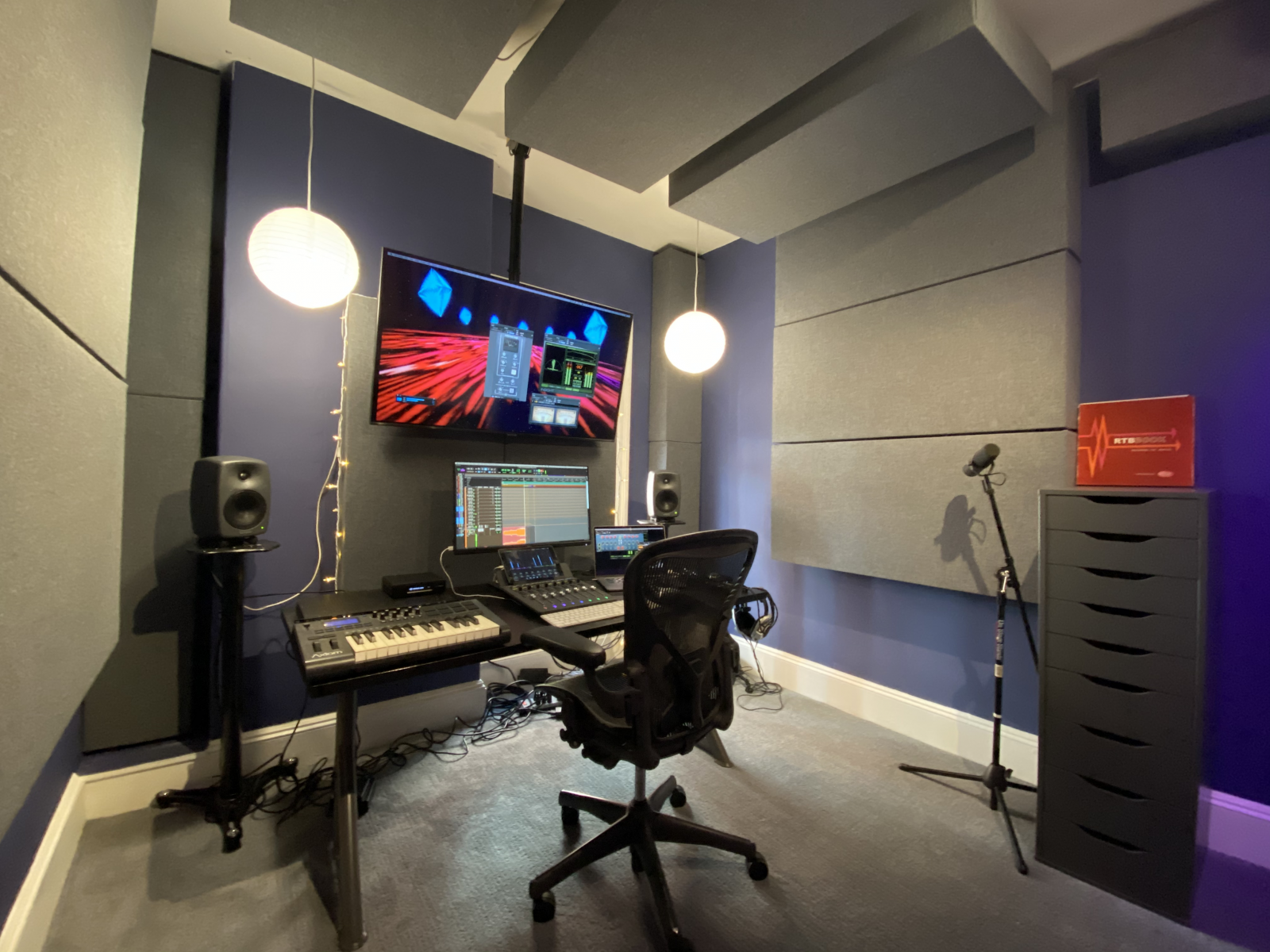
Home Mixing Studio with Jonathan Wyman
Jonathan Wyman is a producer, mixer, and engineer who started his career at 19. Since then he’s gone on to produce and mix a wide variety of projects spanning multiple genres and has worked alongside professionals such as Tony Visconti,...
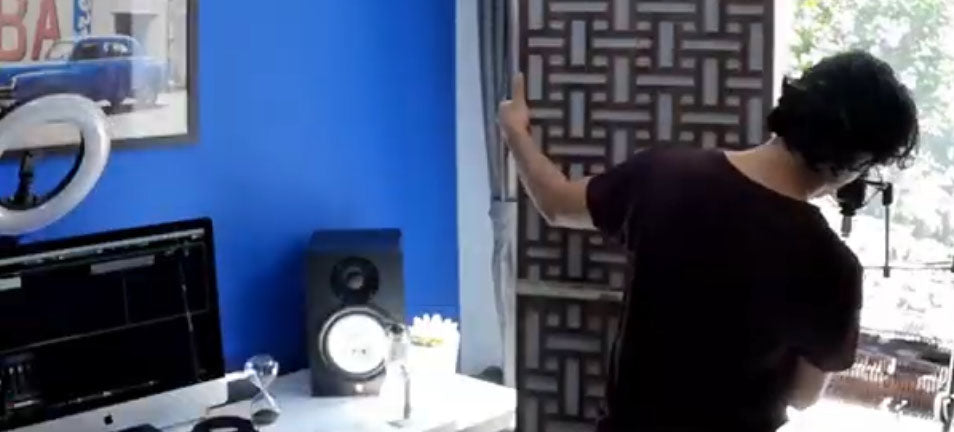
Neil Balfour - Before and After audio with the PIB
Check out this test Neil Balfour put together where he demonstrates the difference between singing in an untreated space against using two PIB’s to make a vocal booth.
Interview: Mastering and Acoustics with Stephen Marsh
How important are your room’s acoustics when mastering? Last week, we sat down with Stephen Marsh of Marsh Mastering for an interview about this topic – mastering and the importance of acoustics. Among the many sound bytes from Marsh, our...
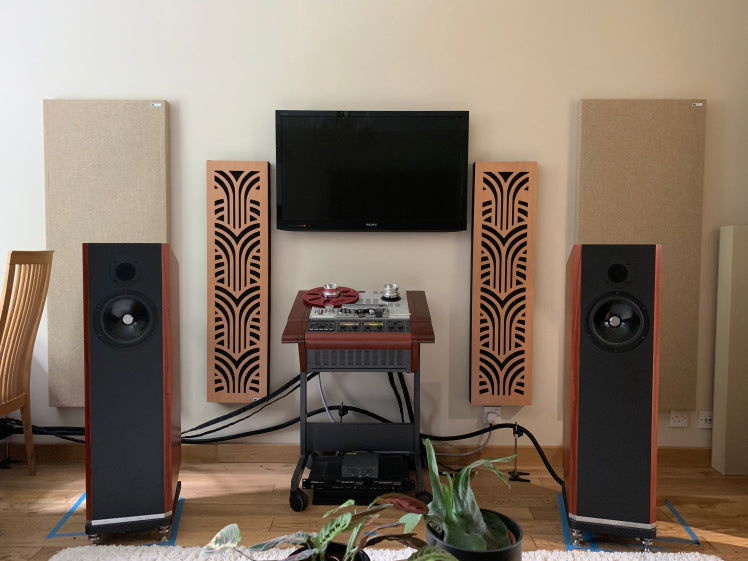
Audiophile Dave Denyer Talks Acoustics and Hifi
Hifi show with free standing acoustic panels Dave Denyer published an article entitled “We Need to Talk About Room Acoustics” on his website, https://thereeltoreelrambler.com/, where he regularly reviews hifi products and muses as an audiophile and writer. He writes, “For...
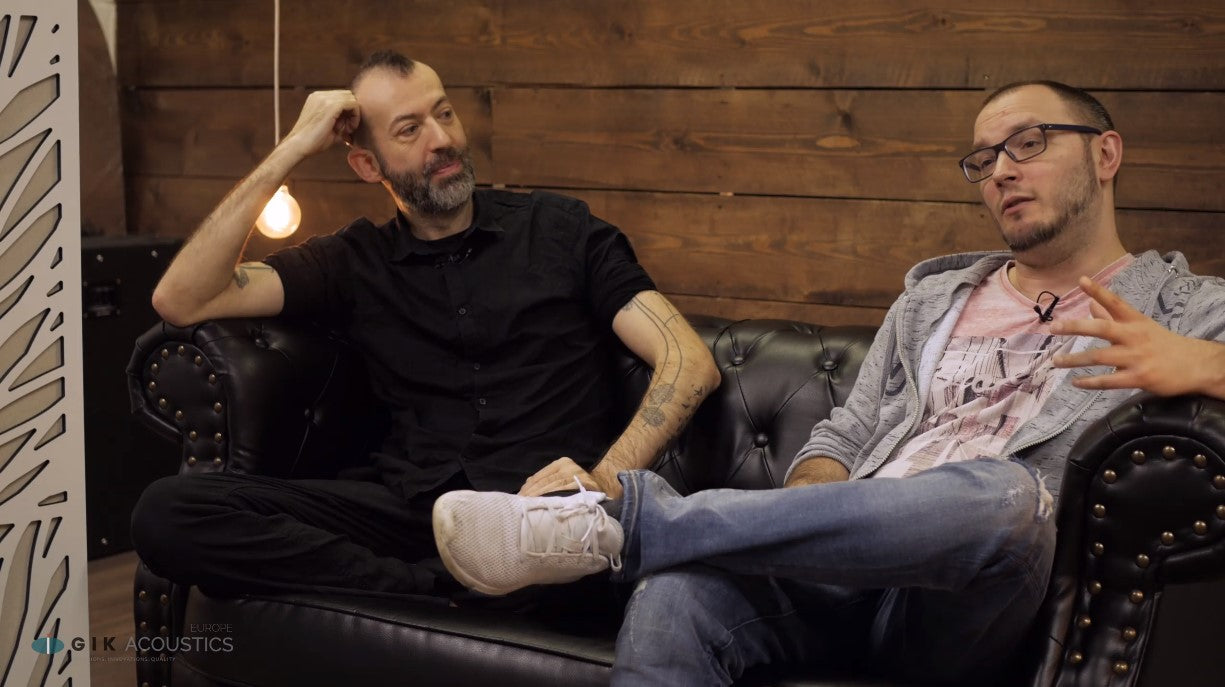
Guitarists Jon Gomm and Tom Quayle on GIK Acoustics
Guitarists Tom Quayle and Jon Gomm sit down to discuss the importance of acoustic treatments in recording environments for both isolation and absorption. Jon prefers professionally constructed acoustic panels by GIK Acoustics to mitigate reflections and isolate the talent. Our...

Notes for Notes State Farm and Panic At the Disco
Earlier this month, one of our customers, Notes for Notes, a unique charity organization providing youth with completely free access to musical instruments, instruction and recording studio environments, was featured on CBS This Morning. GIK products were heavily involved in...