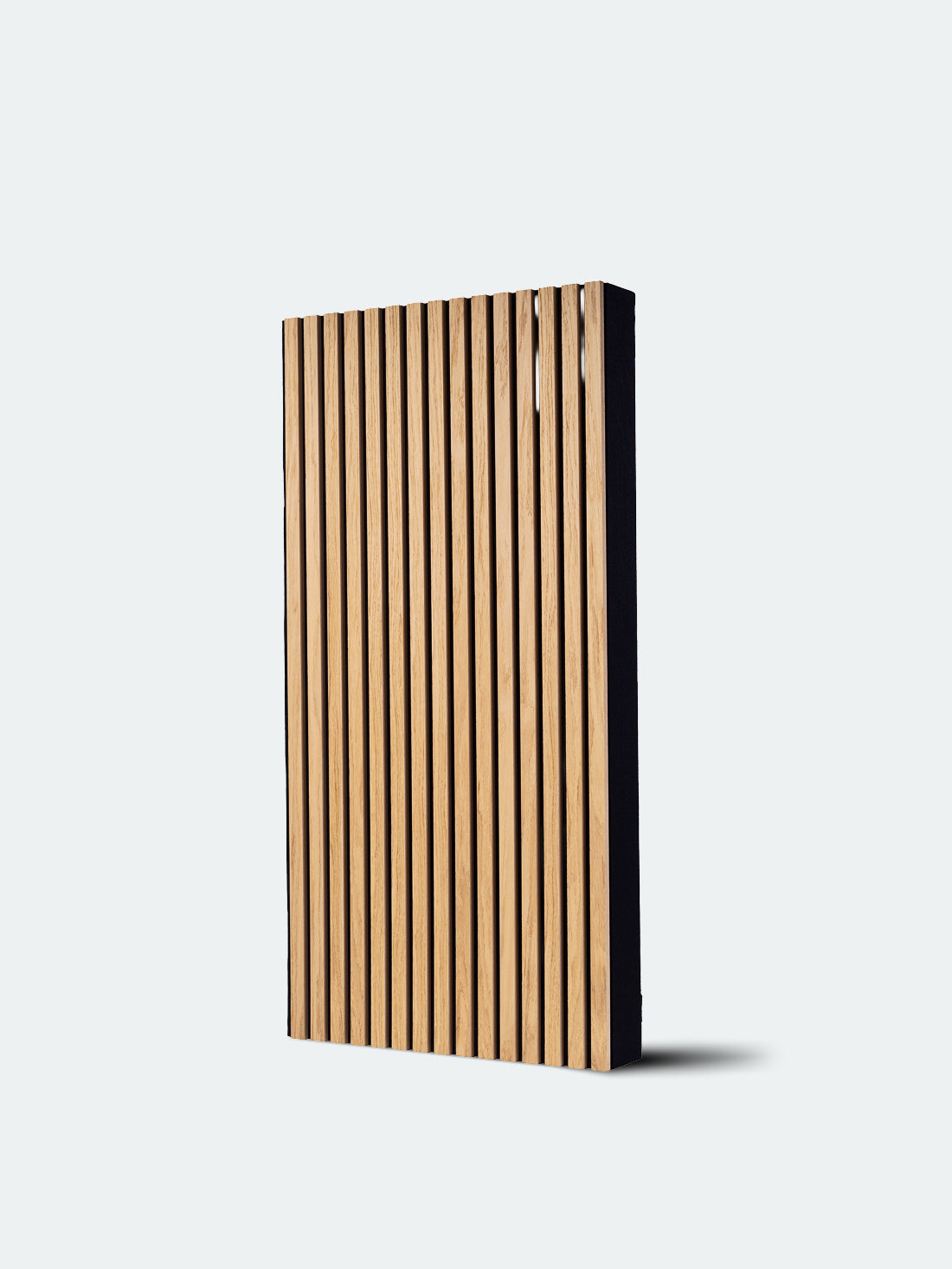
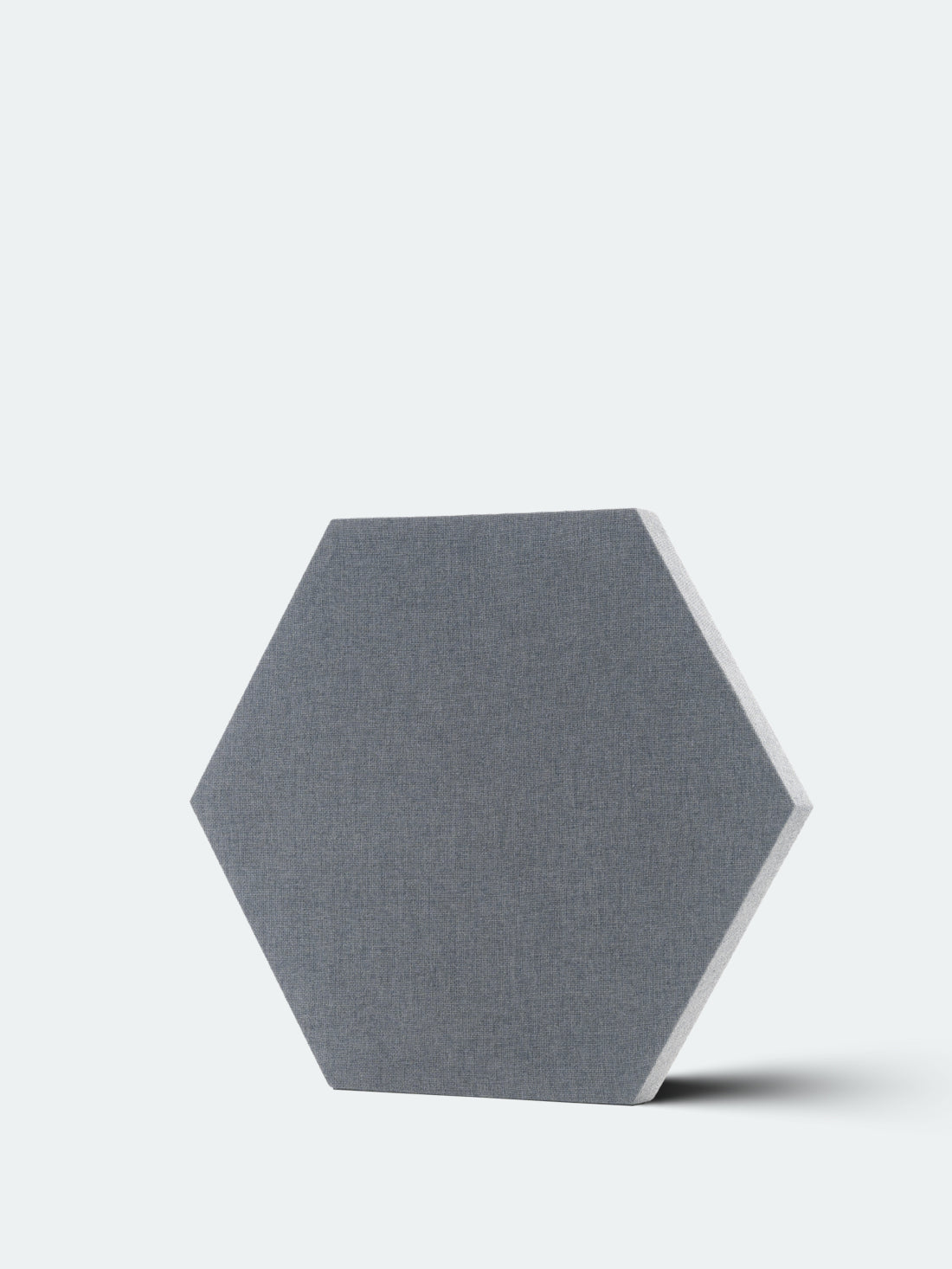
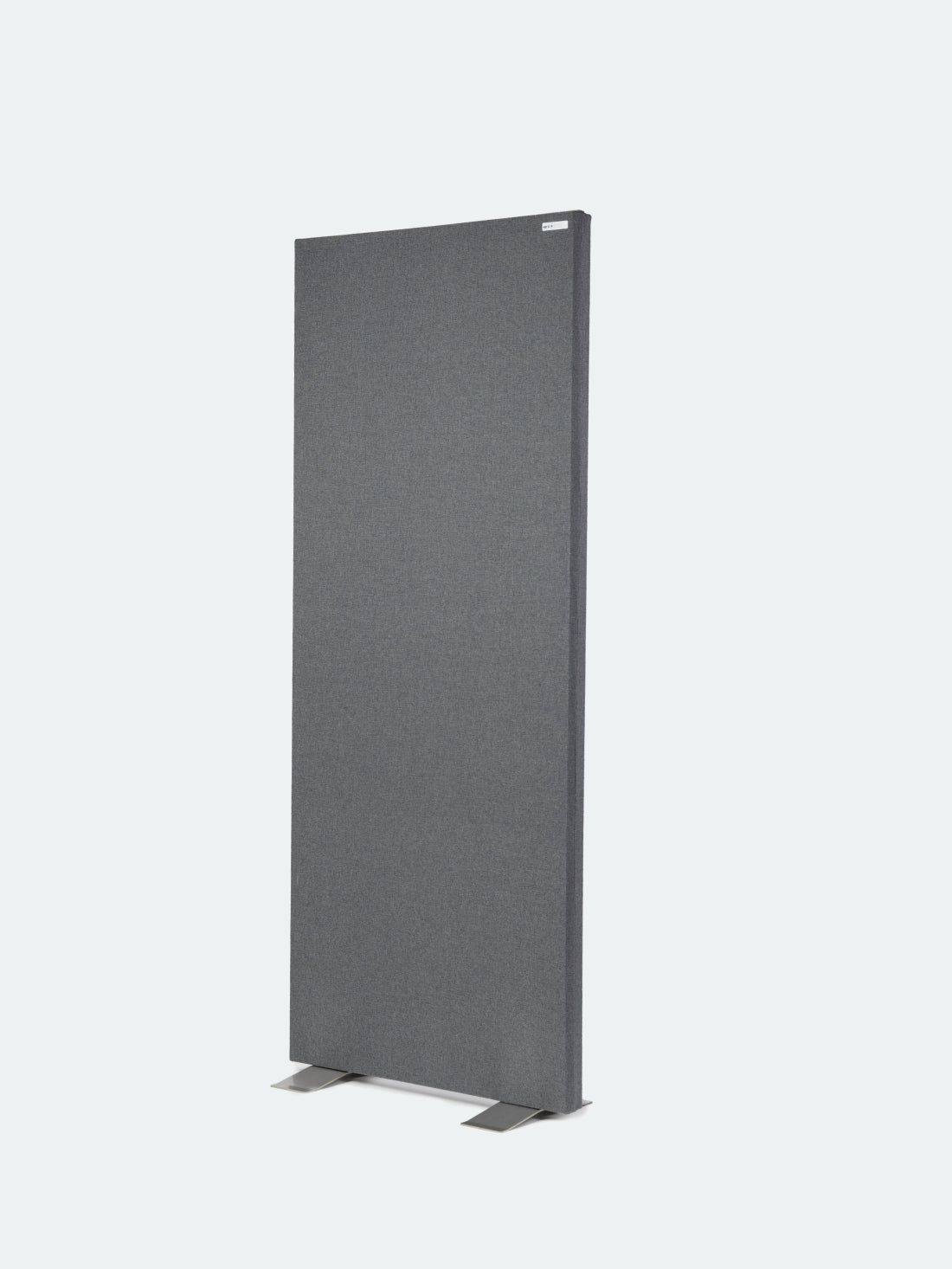
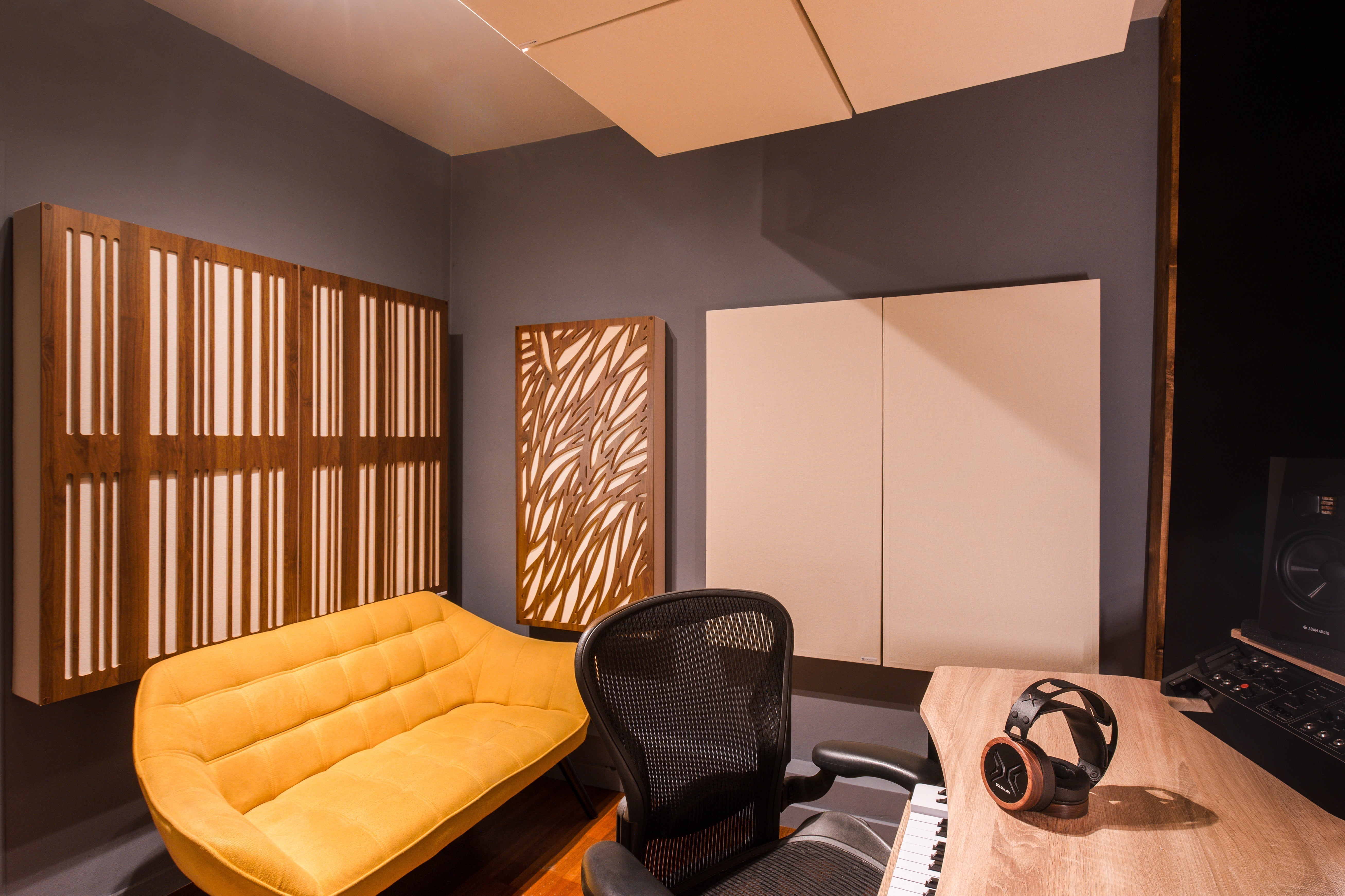
The Q11D Diffuser brings depth and balance to any room. With 11 wells engineered for precise quadratic diffusion, it scatters sound evenly to eliminate flutter echoes and create a natural, spacious soundstage. Perfect for studios, listening rooms, or home theaters, it delivers both acoustic performance and modern design in one sleek solution.
Chosen by leading studios, artists, venues, and brands worldwide. Our product has been recognized by industry leaders across the world for its superior quality and performance.
Premium Acoustic Fabrics
Woven with precision and engineered for durability, Camira fabric delivers exceptional performance with a sophisticated look and feel. The result: panels that look as good as they sound – available in a wide range of colors.
Since installing GIK treatments, the sonic difference has been really astounding.
— Rupert NeveRupert Neve Designs
The GIK Acoustics Monster Bass Trap was the perfect trap to reduce a resonance that I detected in studio B.
— Bob KatzMastering Engineer
We are delighted to work with GIK Acoustics. Their products and expertise have allowed us to set up one of our studios very quickly and with great results.
— Luca BarassiManaging Director | Abbey Road Institute
Plan Your Space Like a Pro
Expert advice, powerful design tools, and the guidance you need to get your space sounding right.
Talk to an Expert
Our acoustic consultants provide guidance on effective treatment strategies, considering room size and layout. They offer advice on low-frequency accuracy, listening position optimization, and early reflection control.
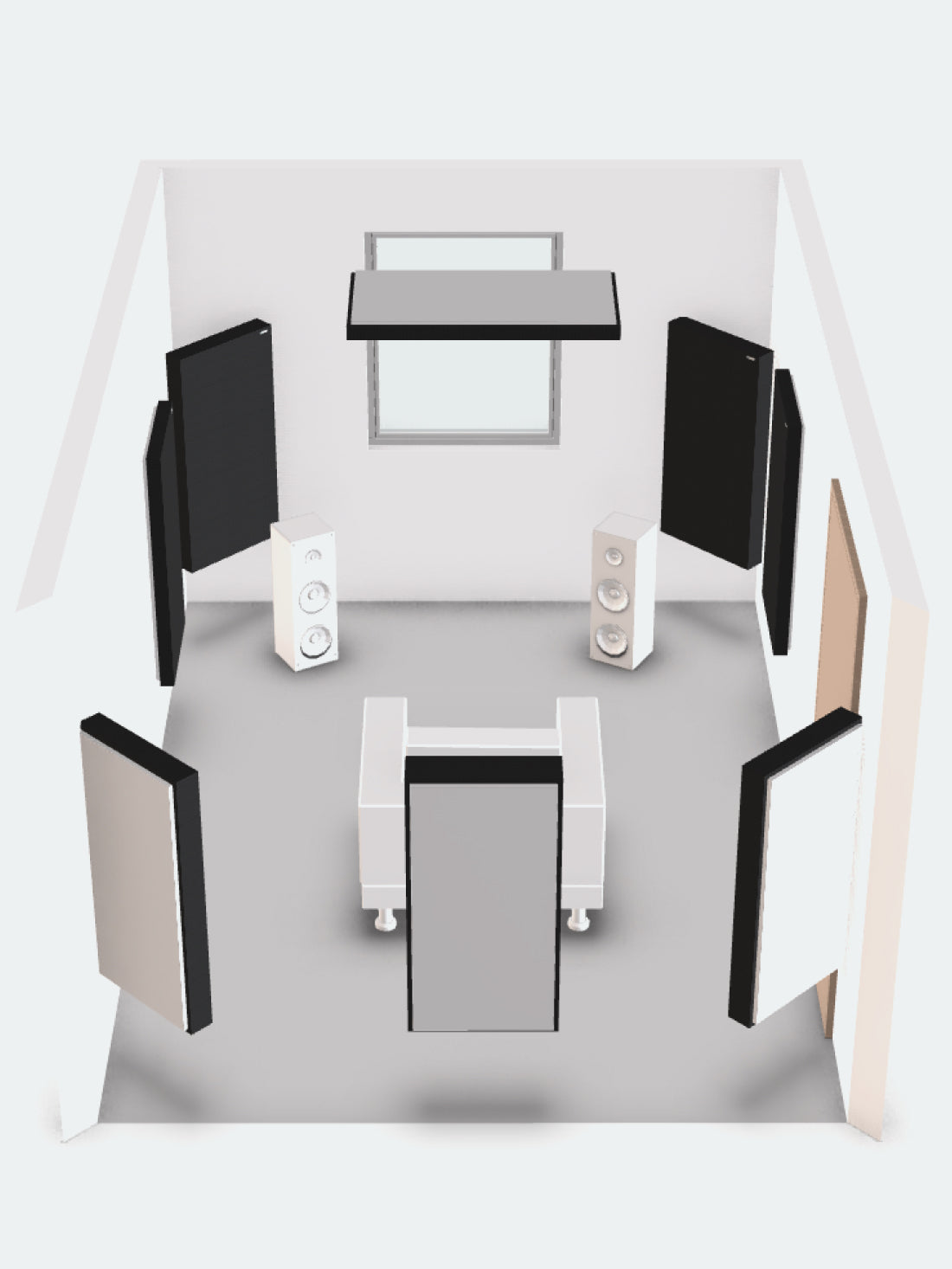
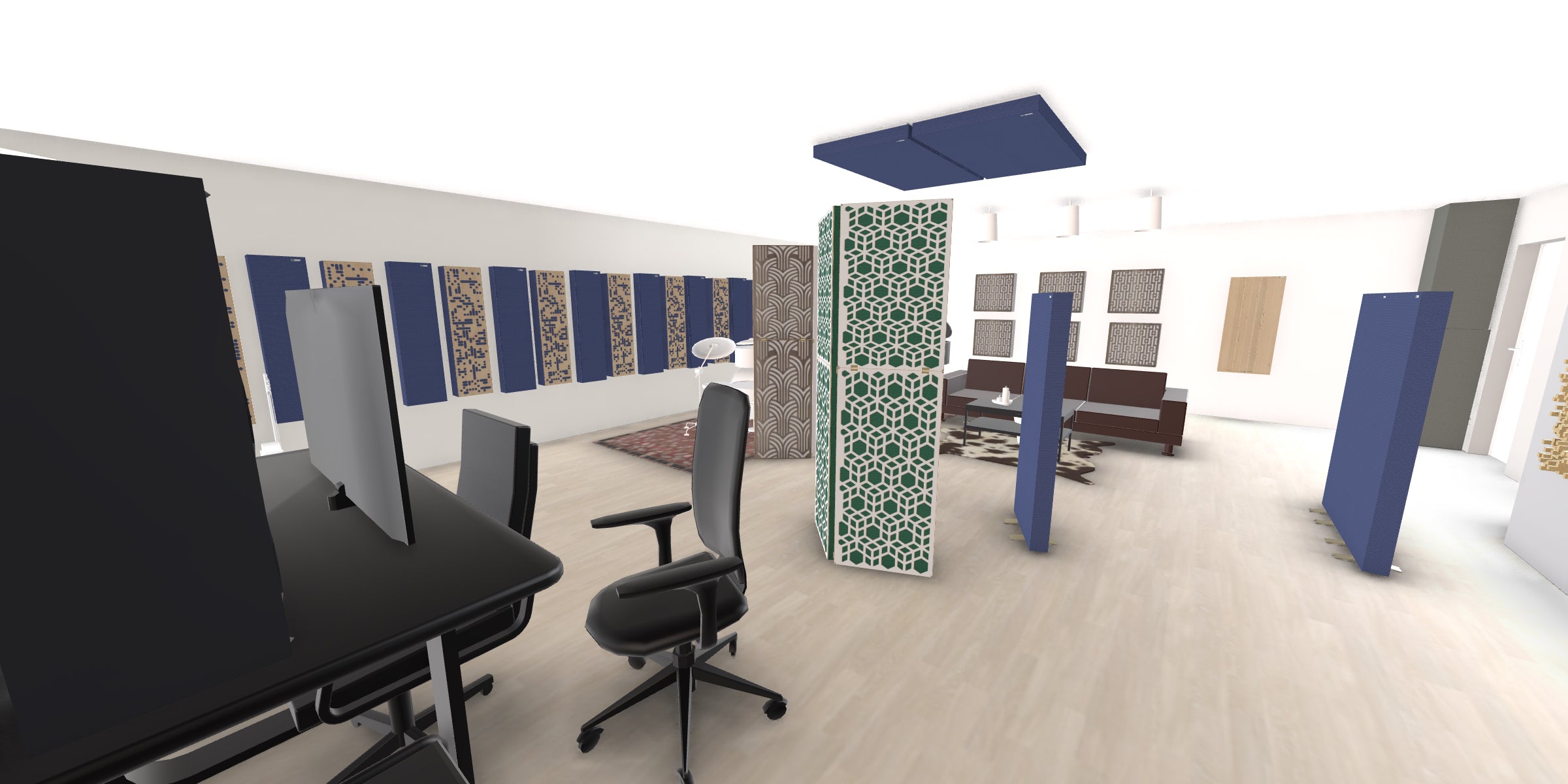
Plan your room layout using panels, traps, and diffusers in a 3D visualization. Utilize our Room Designer to see how they can enhance your room's acoustics.
Effective bass treatment comes down to one core tradeoff: low-frequency performance vs available space. Deep bass control requires both sufficient coverage area and thick acoustic treatment, as low frequencies below 100Hz are driven by room modes and standing waves that standard panels cannot fully absorb.
This guide explains how bass behaves in rooms, why it’s harder to control than mid and high frequencies, and how to build a complete acoustic treatment strategy using GIK Acoustics bass traps. It covers key placement zones—including corners, walls, and ceilings—where low-frequency buildup is strongest, along with product recommendations for each area.
From corner solutions like Soffit, TurboTrap, and TriTrap bass traps to broadband panels like FlexRange® and Classic Bass Trap Panels, the article outlines how thickness, placement, and coverage work together to improve frequency response and decay times. Hybrid options like Amplitude and SlatFusor panels add diffusion and scattering, while Scopus tuned membrane traps provide precise control of problem frequencies.
Whether you're treating a recording studio, home theater, or listening room, this guide helps you design a scalable bass treatment plan that balances performance, space, and budget—backed by acoustic science and real-world application.
Room modes are resonances caused by a room’s dimensions that affect sound quality, especially in the low end. The three types—axial, tangential, and oblique—can create peaks, nulls, and uneven decay, making audio inaccurate and inconsistent.
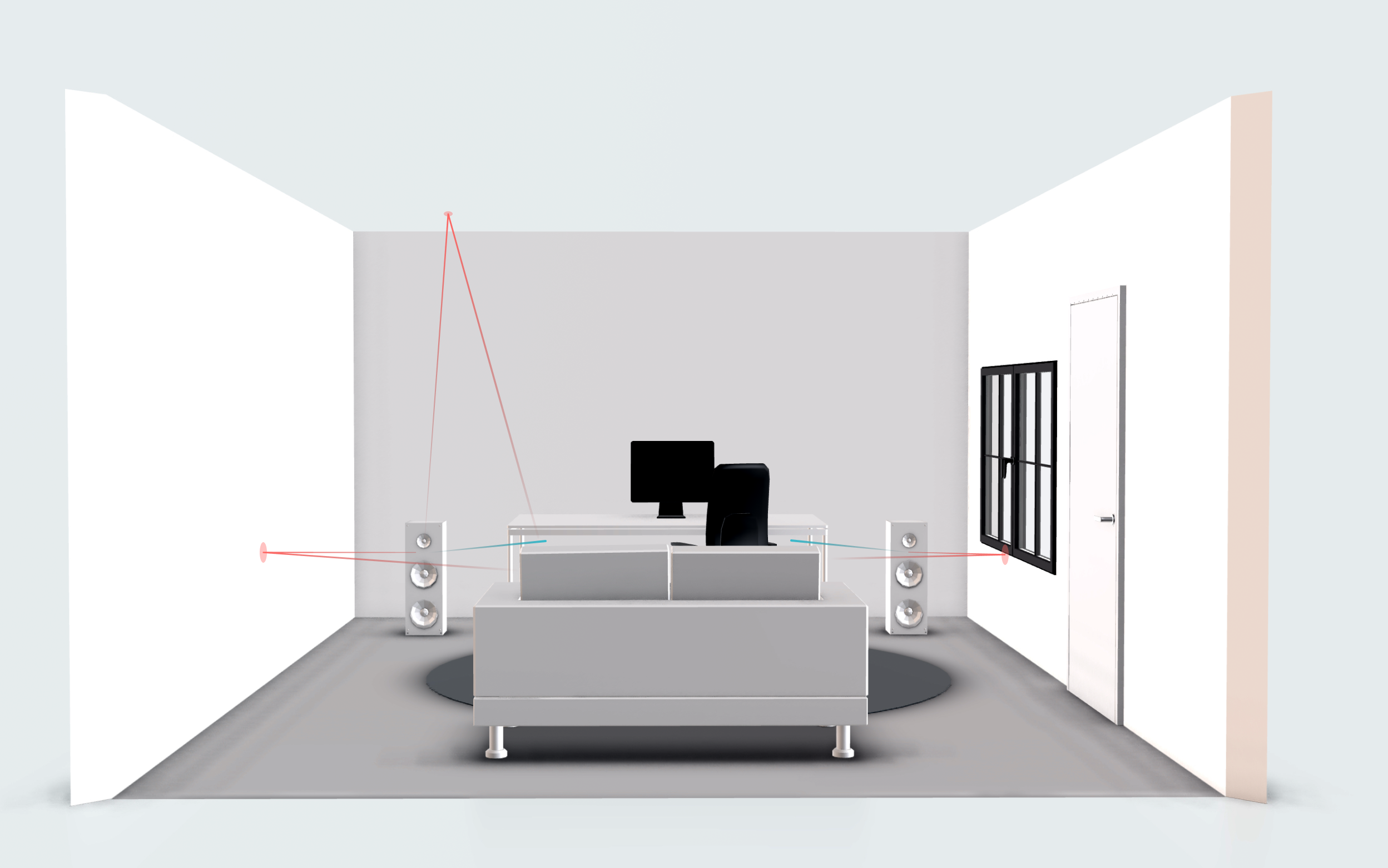
These issues can be identified using measurement tools or simple listening tests, and are best addressed with acoustic treatment. Placing bass traps in corners, using panels at reflection points, adding diffusion, and optimizing speaker and listening position all help create a more balanced and reliable listening environment.
GIK Acoustics pioneers innovative, patented technologies for modern acoustic treatment, setting a new standard in the field.
Eco-Friendly Materials
Our products prioritize sustainability, using renewable, non-toxic materials for superior sound control and safe indoor air quality in tens of thousands of global installations.
Award-Winning Products
GIK Acoustics products are world-renowned for their stellar performance, innovation, and design - winning awards from the best in the business. Our solutions set the standard with reliable engineering and impressive outcomes.
Choosing a selection results in a full page refresh.