




Not Sure Where to Start?
Get free, personalized room advice from our acoustic experts.

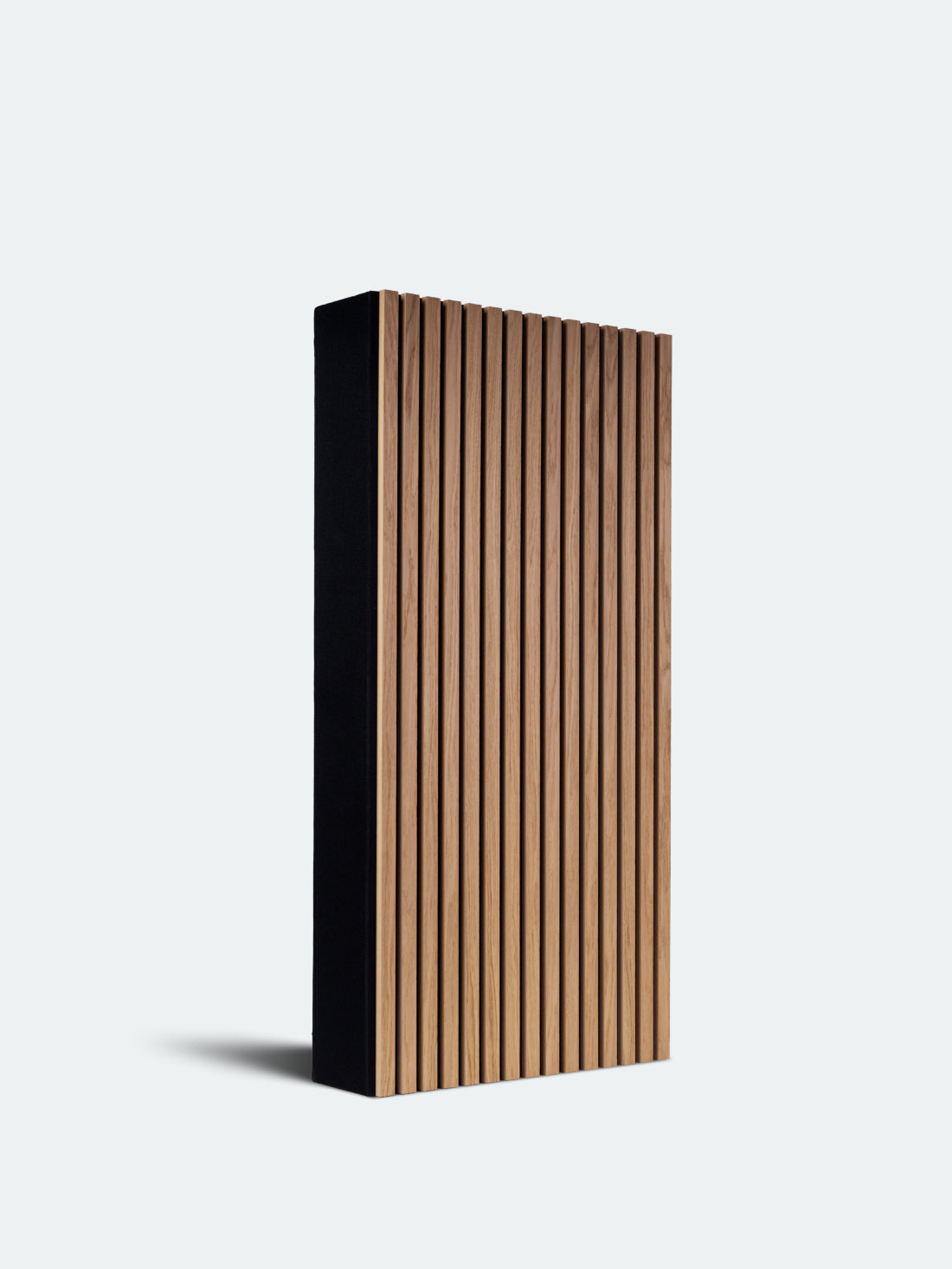
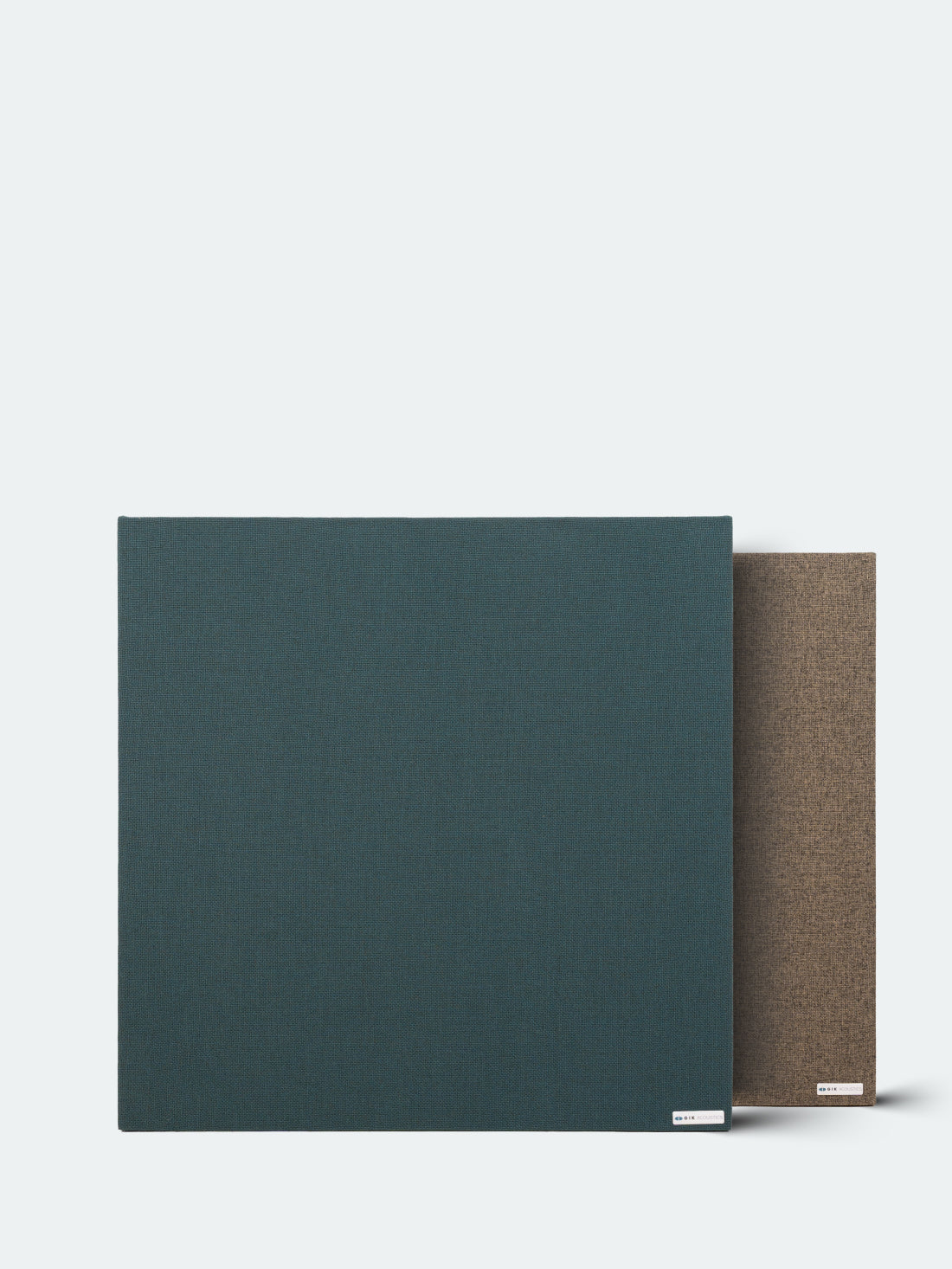
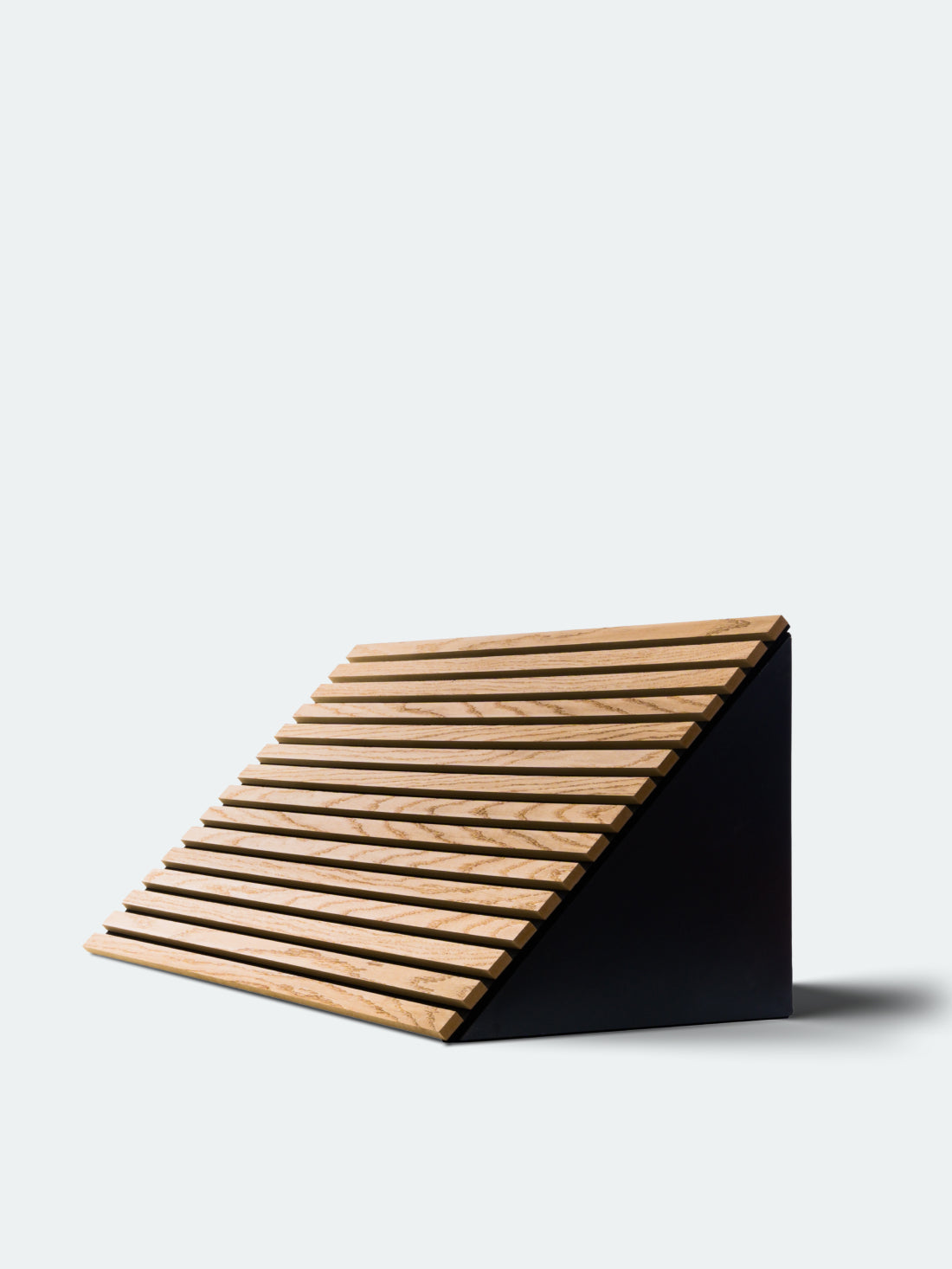
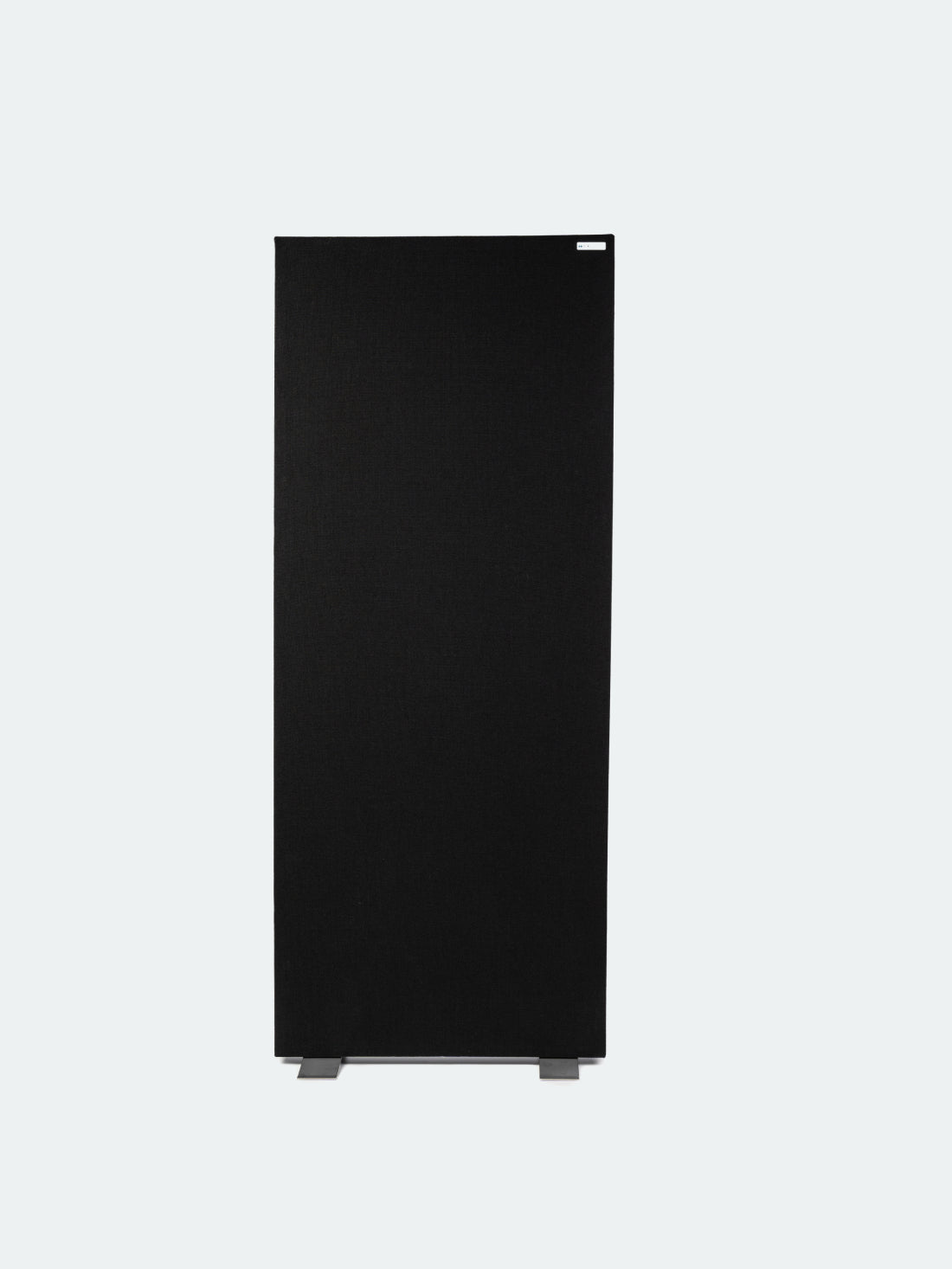
High Quality Materials for Proven GIK Performance
Our products use high quality absorbent materials as their absorption core. These quality materials provide excellent broadband absorption across the entire frequency range, particularly for low frequencies with thicker panels. These materials are far more effective than generic acoustic foam at controlling low-frequency sound.
Camira Cara Acoustic Fabrics
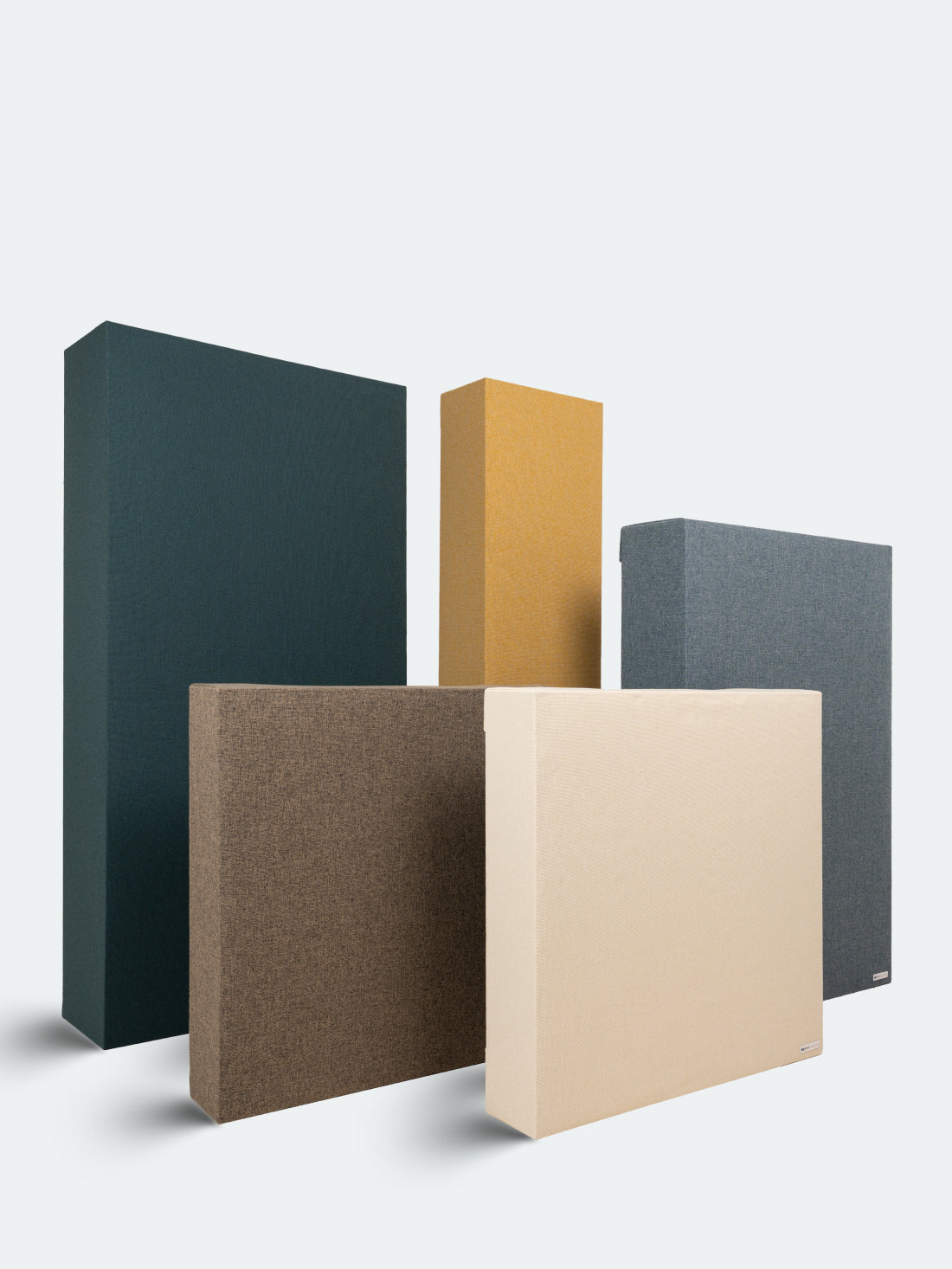
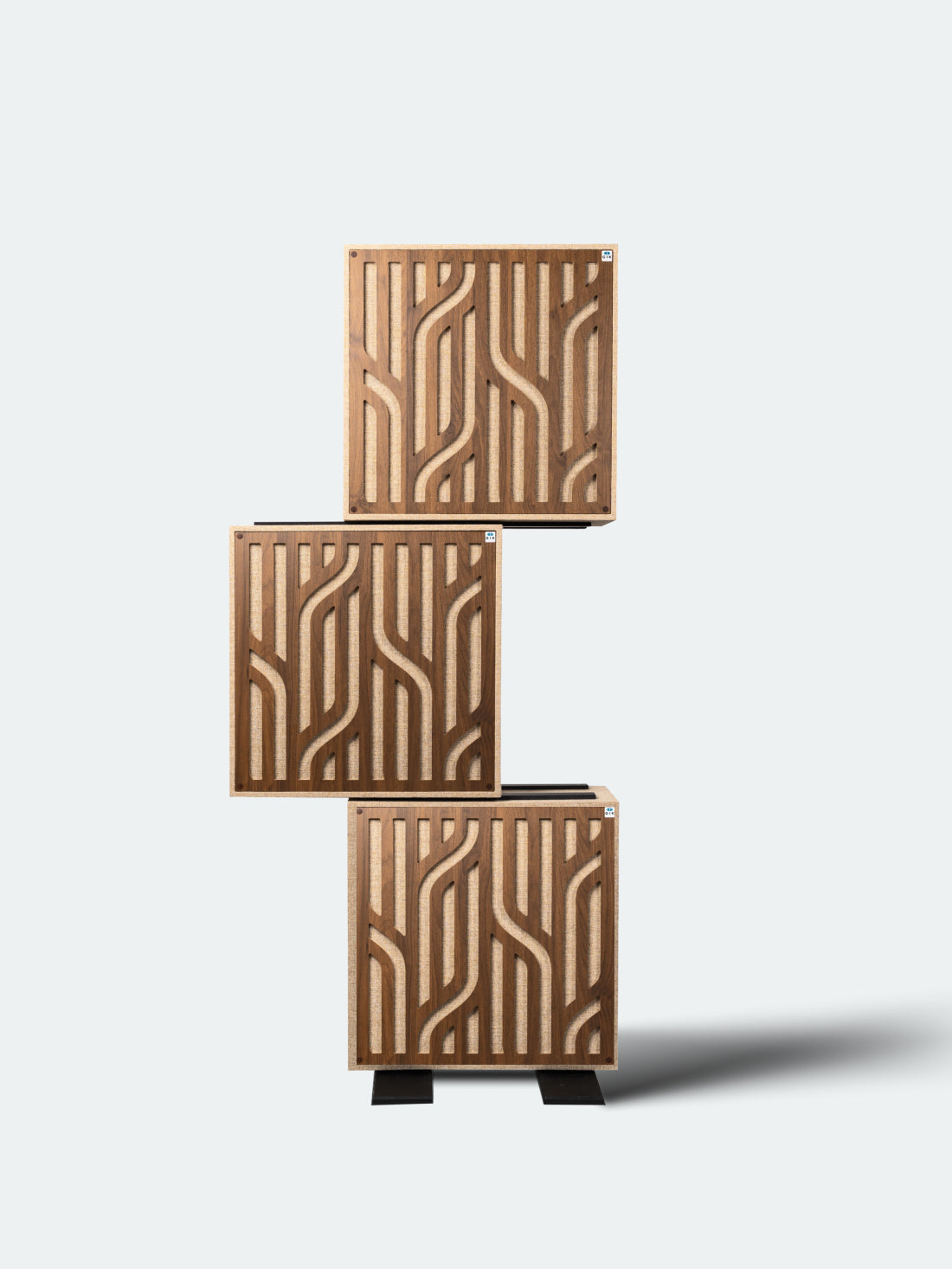
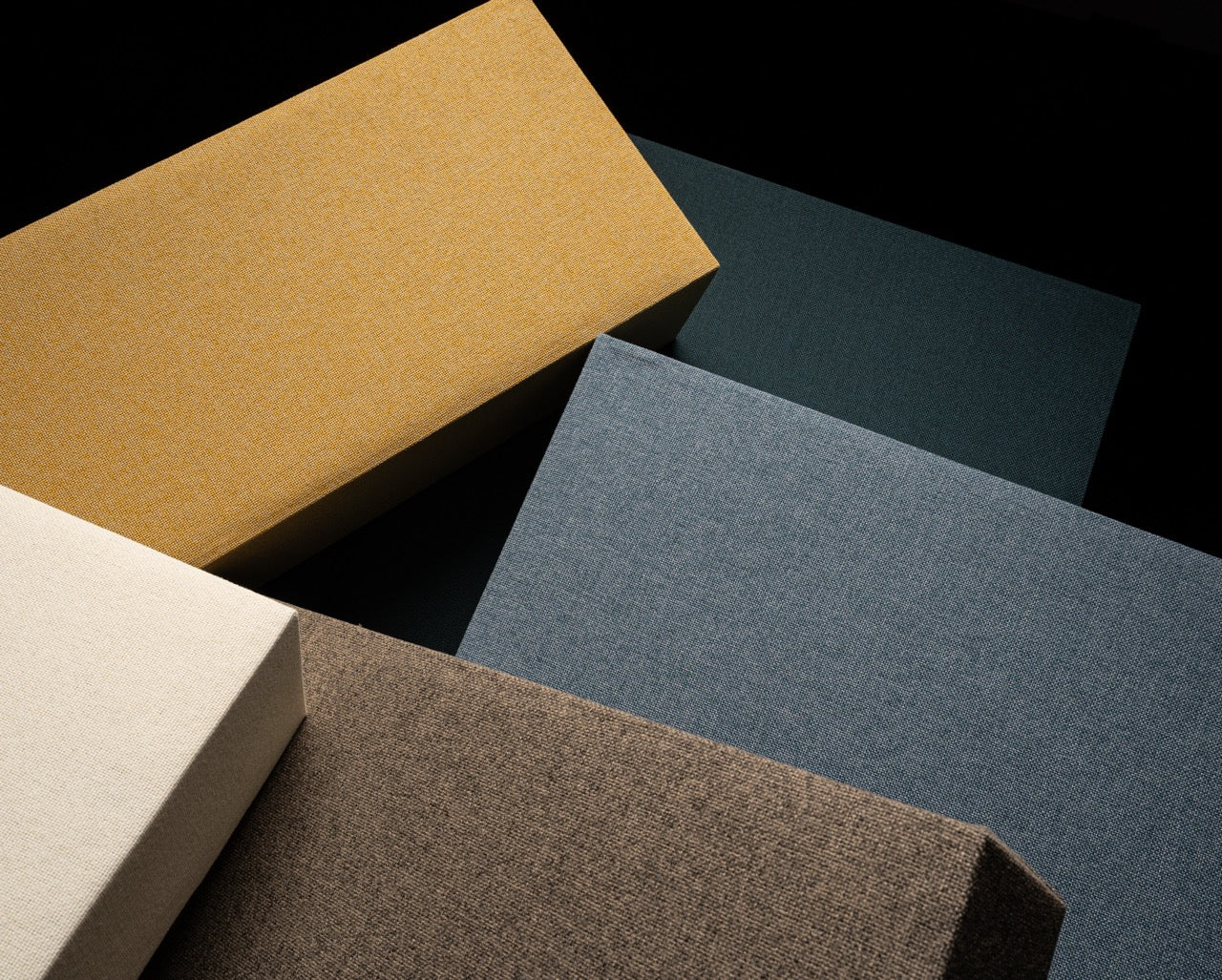
We offer a range of beautiful, durable fabrics in a wide variety of colors from Camira. These high-quality acoustic fabrics ensure that your treatment not only performs well but also complement the aesthetic of your room.
Custom Sizes and Designs
Every space is different, which is why we offer custom sizes and design options for many of our products. Whether you need a specific size for a trap corner or a freestanding unit for an irregular room, we can provide a tailored solution.
Why Do We Need Bass Traps?
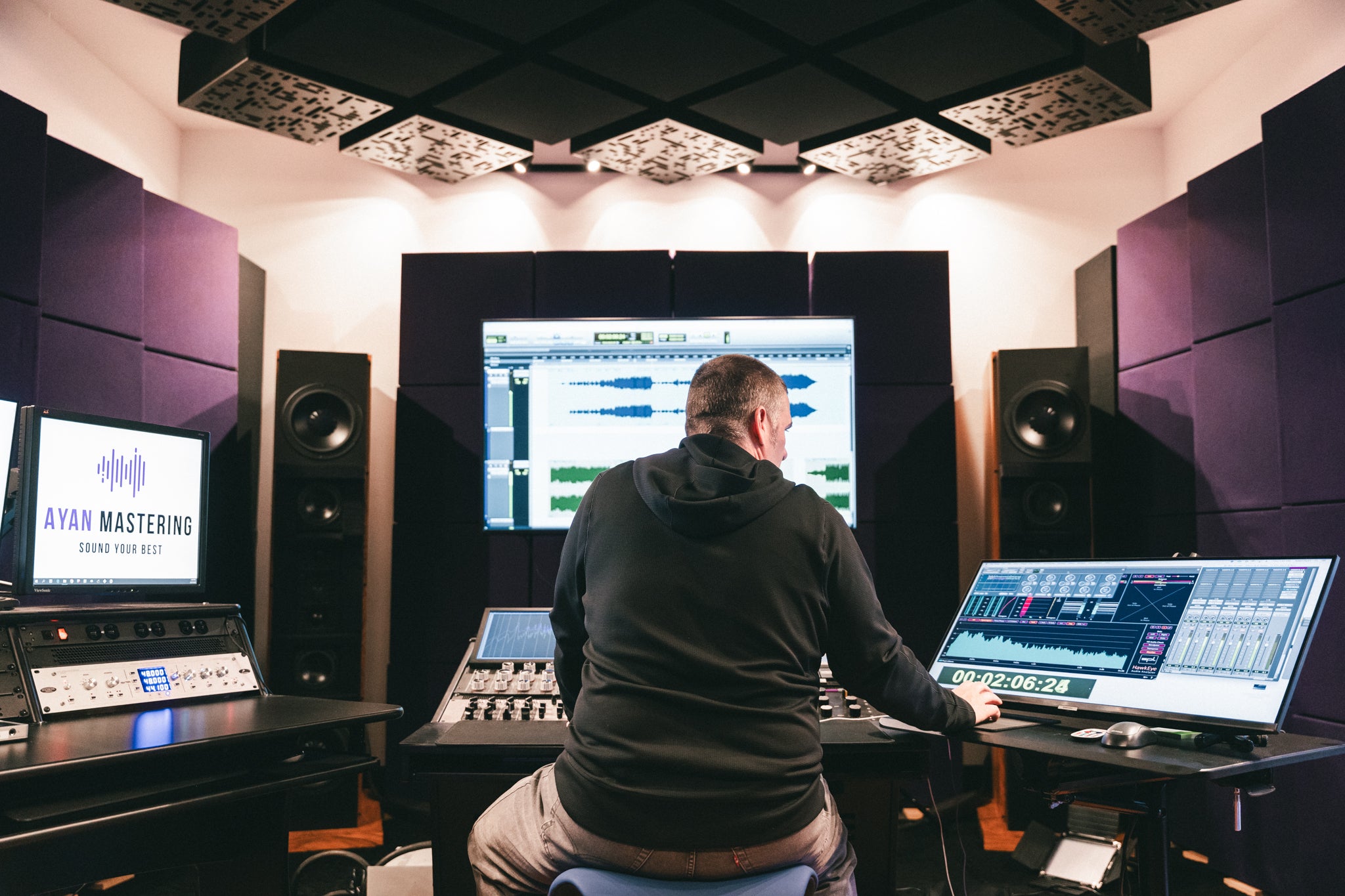
Bass traps are designed to absorb excess low-frequency sound reflections, which tend to linger in spaces due to their long wavelengths relative to the room’s size. Unlike higher frequencies, which are easier to control with thinner acoustic panels, low frequencies are more prone to creating resonances such as standing waves and room modes, resulting in uneven frequency response and decay times in your space.
Without bass traps, you risk overemphasizing certain frequencies while underrepresenting others, creating an imbalanced listening environment. In addition, the longer decay times at some bass frequencies can audibly resonate, and are often more indicative of what the room sounds like than the frequency imbalances. Effective damping of these resonances is what separates a usable room from an accurate one.
The Widest Range of Bass Traps Available
At GIK Acoustics, we offer a range of acoustic bass traps engineered to address these issues. Our innovative products deliver industry-leading performance for controlling low-end frequencies, from high-end professional control rooms to optimized home studios. With our expert advice and customizable options, we can help you achieve the perfect room acoustics for any space.
Choosing the Right Bass Trap for Your Space
Selecting the right treatment depends on the size and acoustical needs of your room. Here are the different types of bass traps we offer:
Corner Bass Traps
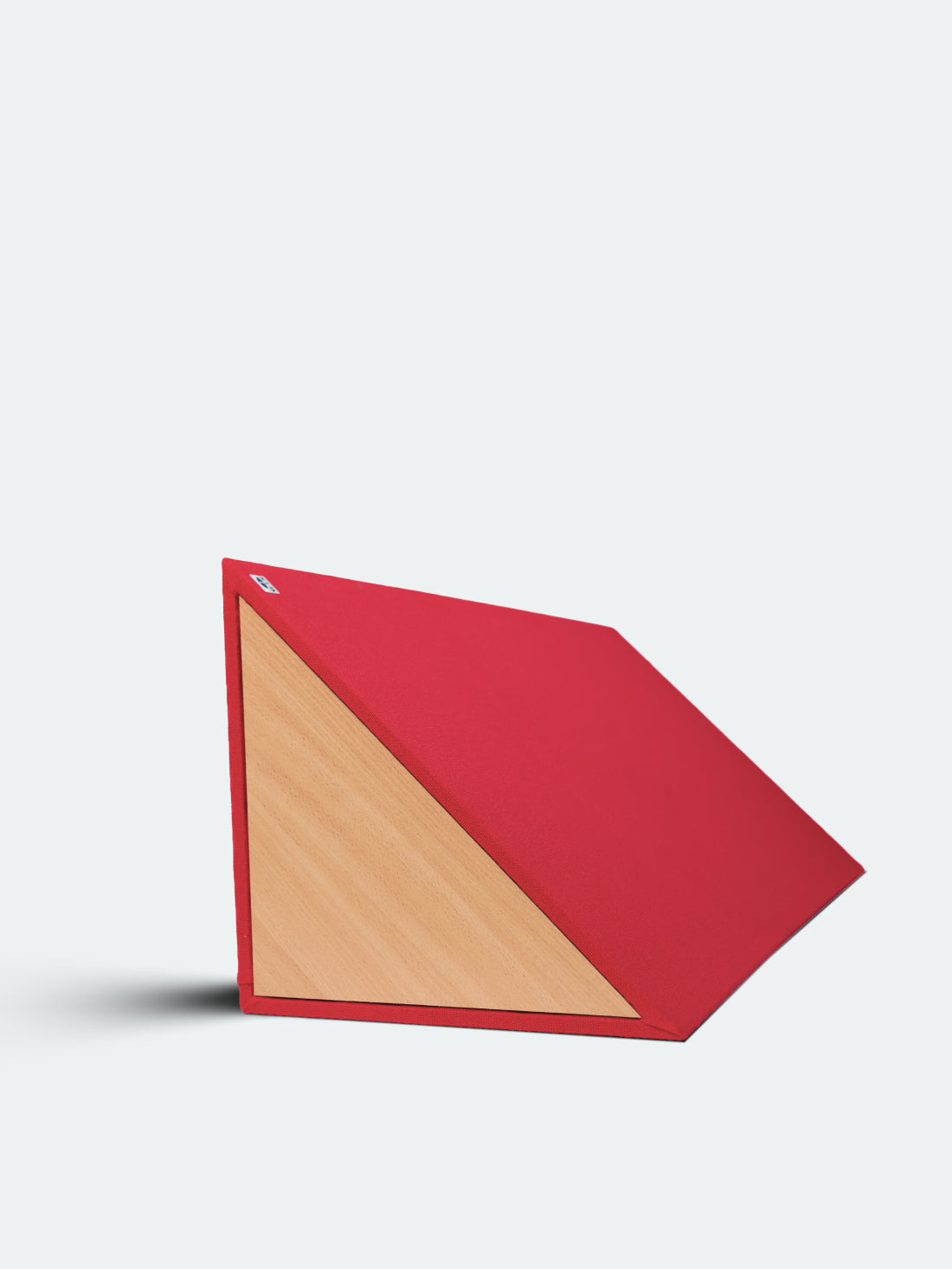
Ideal for installation in room corners, these traps are designed to manage low-end buildup in small- to medium-sized spaces. Options like the Amplitude Corner Bass Trap also absorb, scatter, and provide some diffusion, making them especially effective in home theaters, listening rooms, and recording studios where corner placement is practical.
Bass Trap Panels
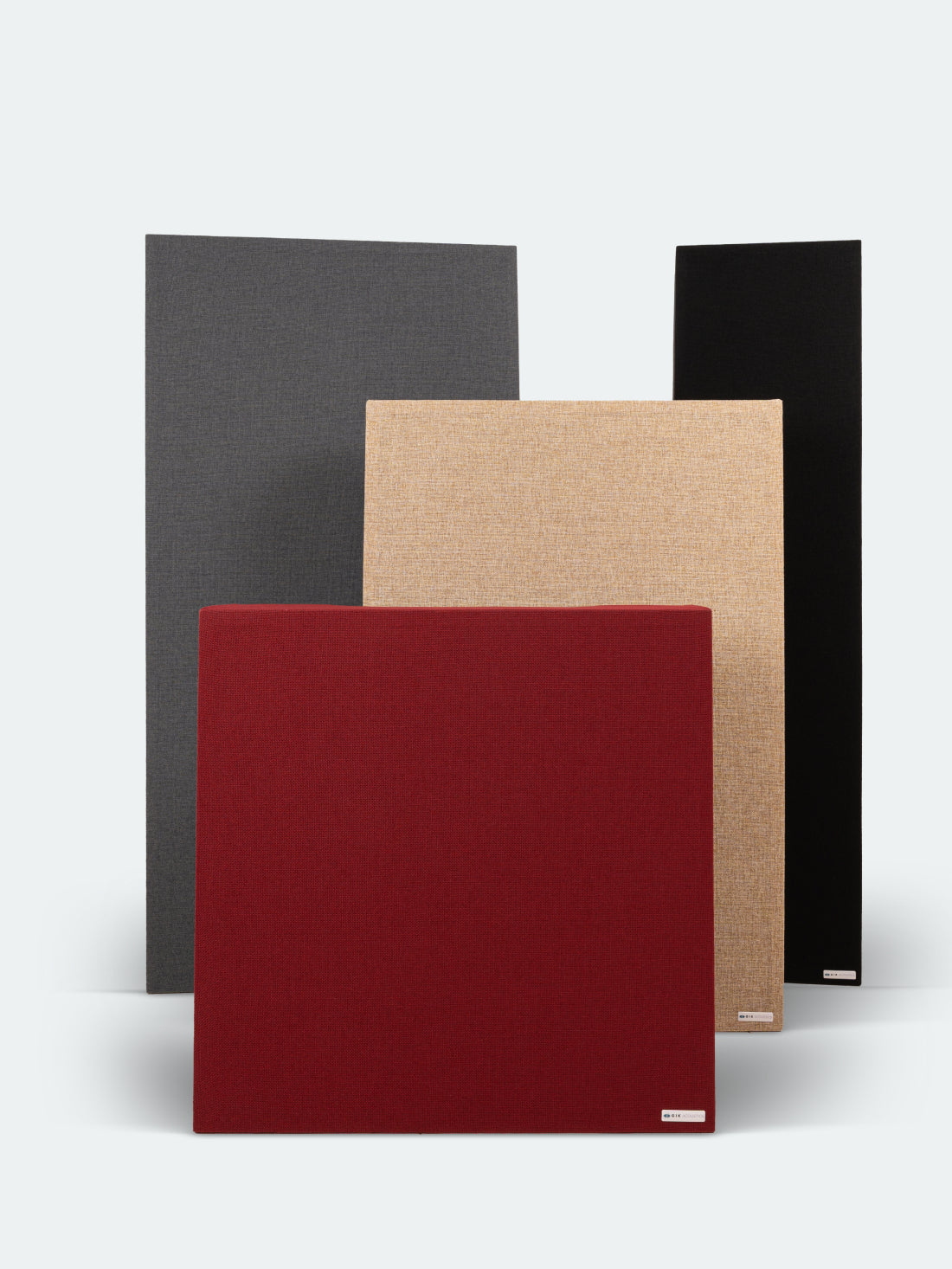
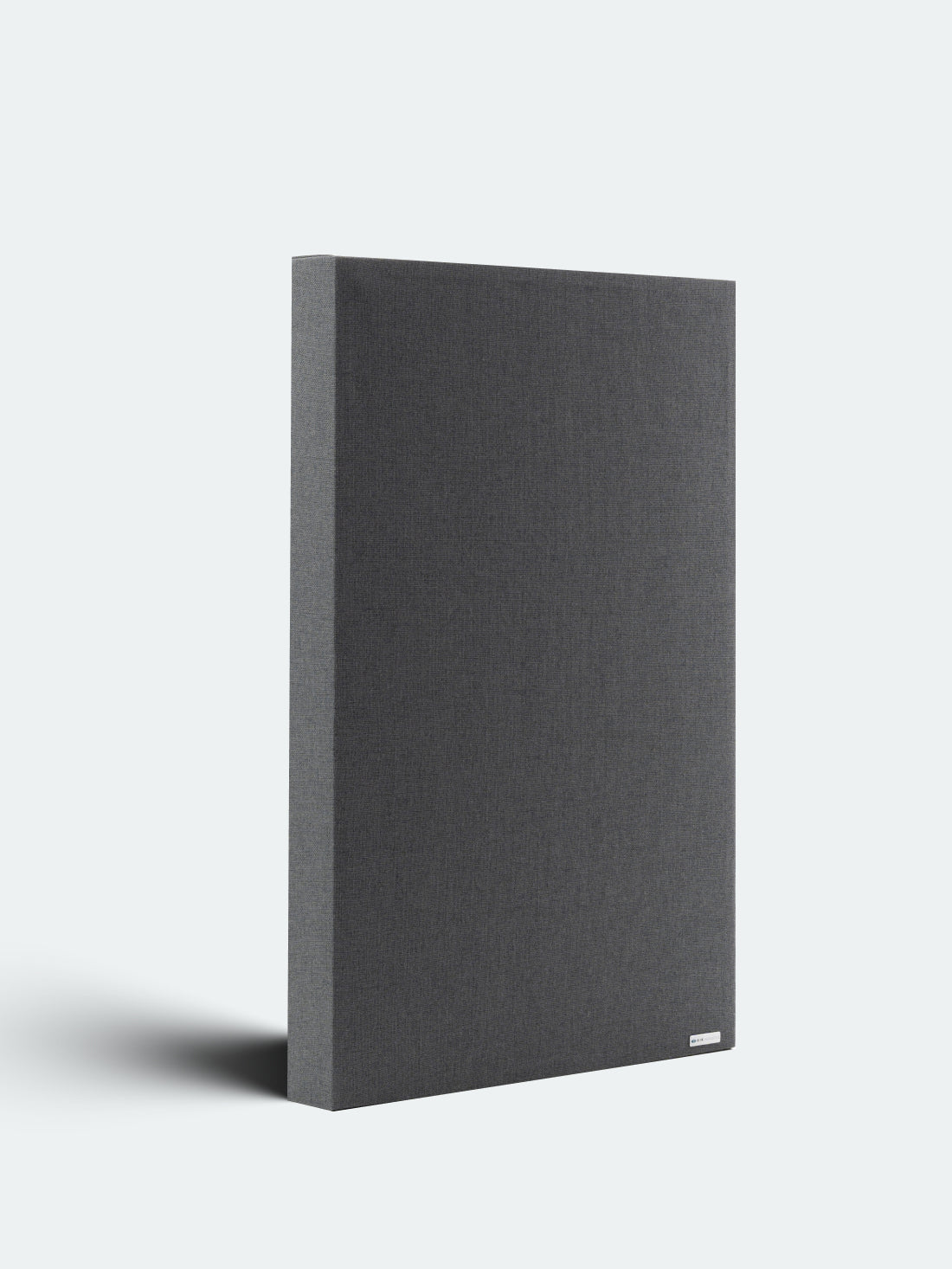
These panels are broadband absorbers, perfect for areas where bass builds up along walls, such as the Front and Back Walls. They complement corner bass traps by providing additional sound absorption. You can also mount these panels in or across corners if desired. If you wish to reduce treble absorption, you can add Range Limiters to FlexRange Bass Trap Panels, or use Amplitude Bass Trap Panels for a hybrid of absorption and diffusion at higher frequencies.

Freestanding Bass Traps
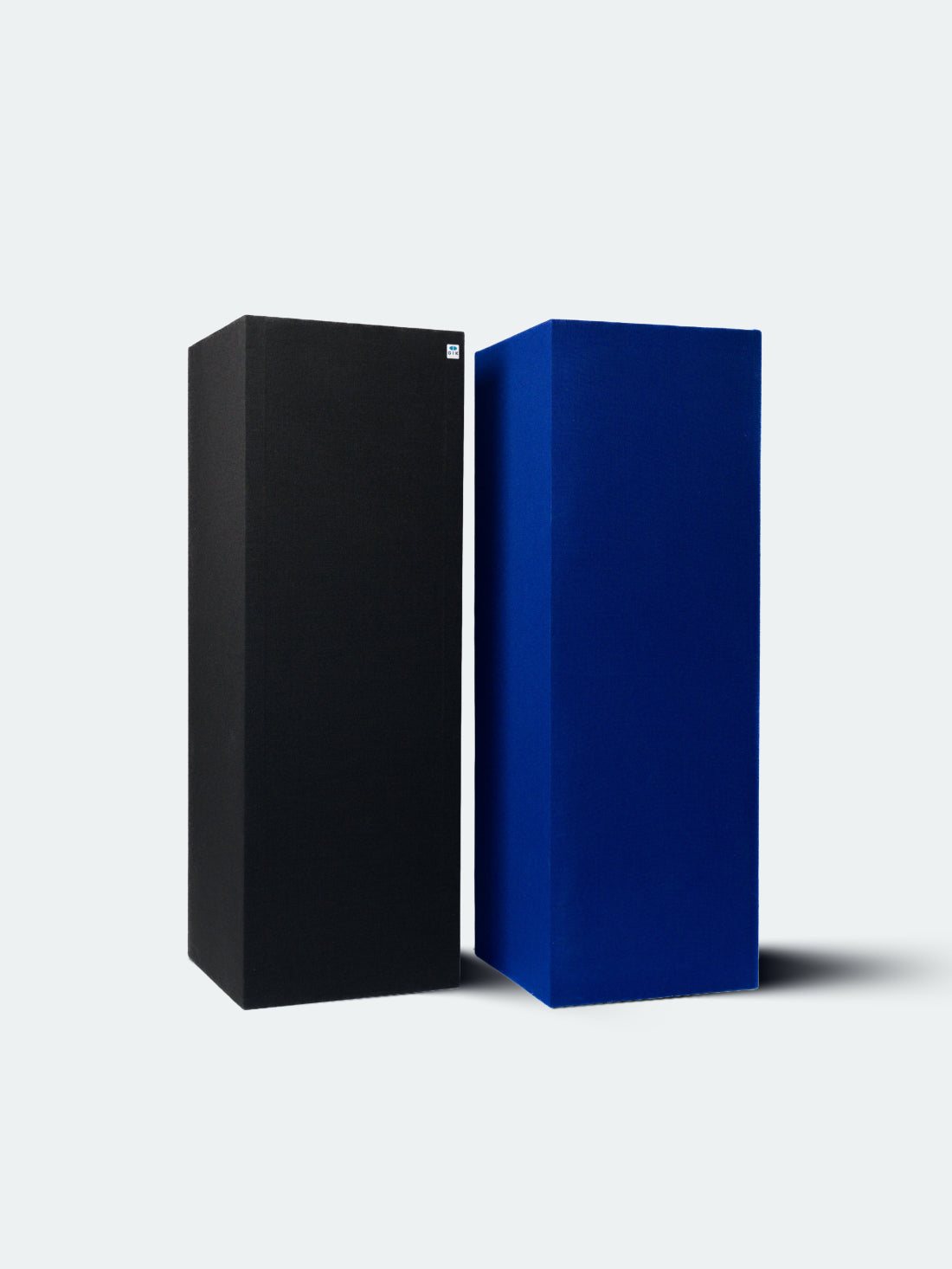
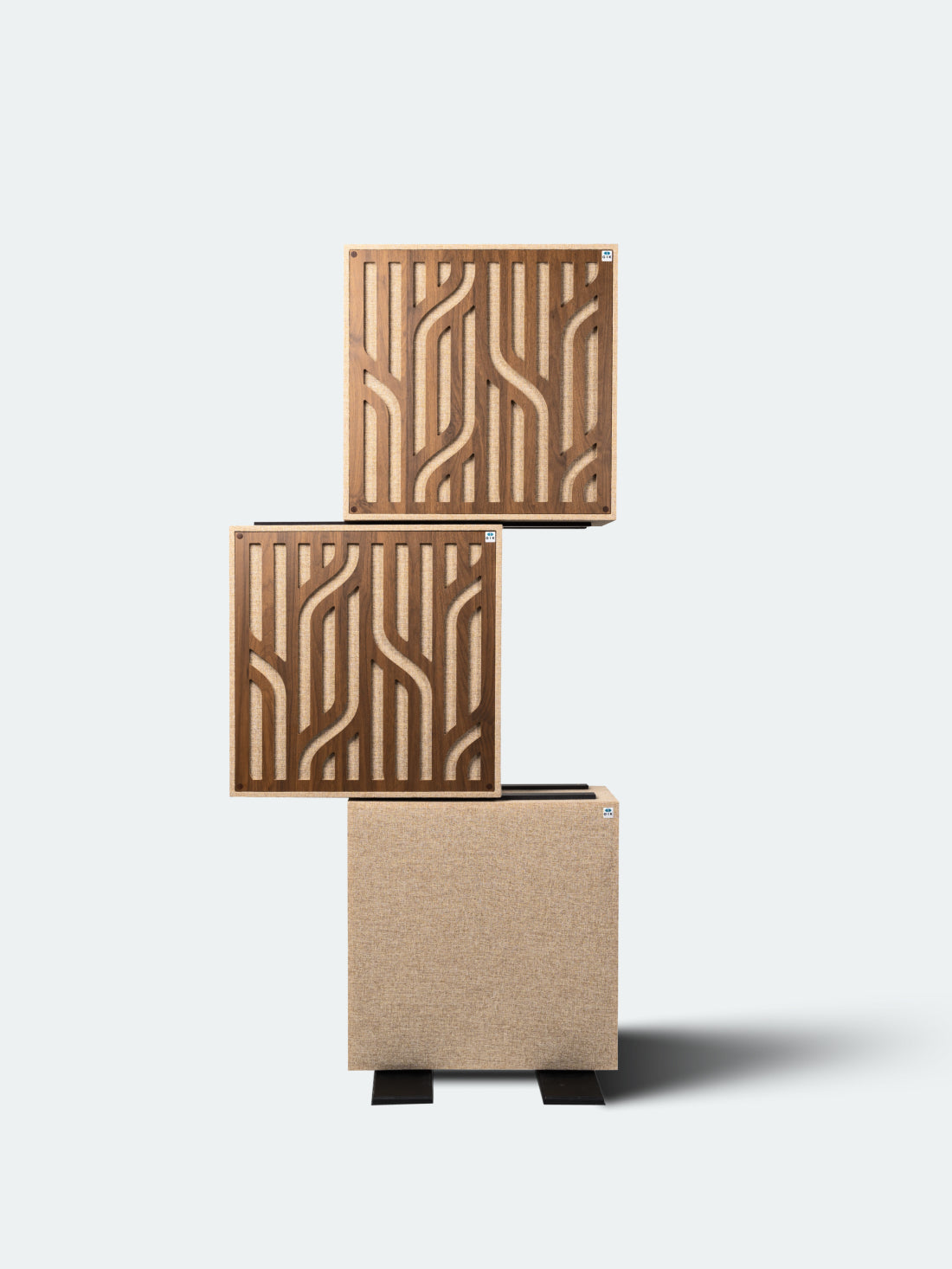
For spaces where wall mounting is not an option, such as a window or door, freestanding bass traps offer mobility while still providing excellent low-frequency absorption. They are also a practical choice for anyone setting up a home studio or DIY listening room who needs treatment without permanent installation.
Where Should You Place Bass Traps?
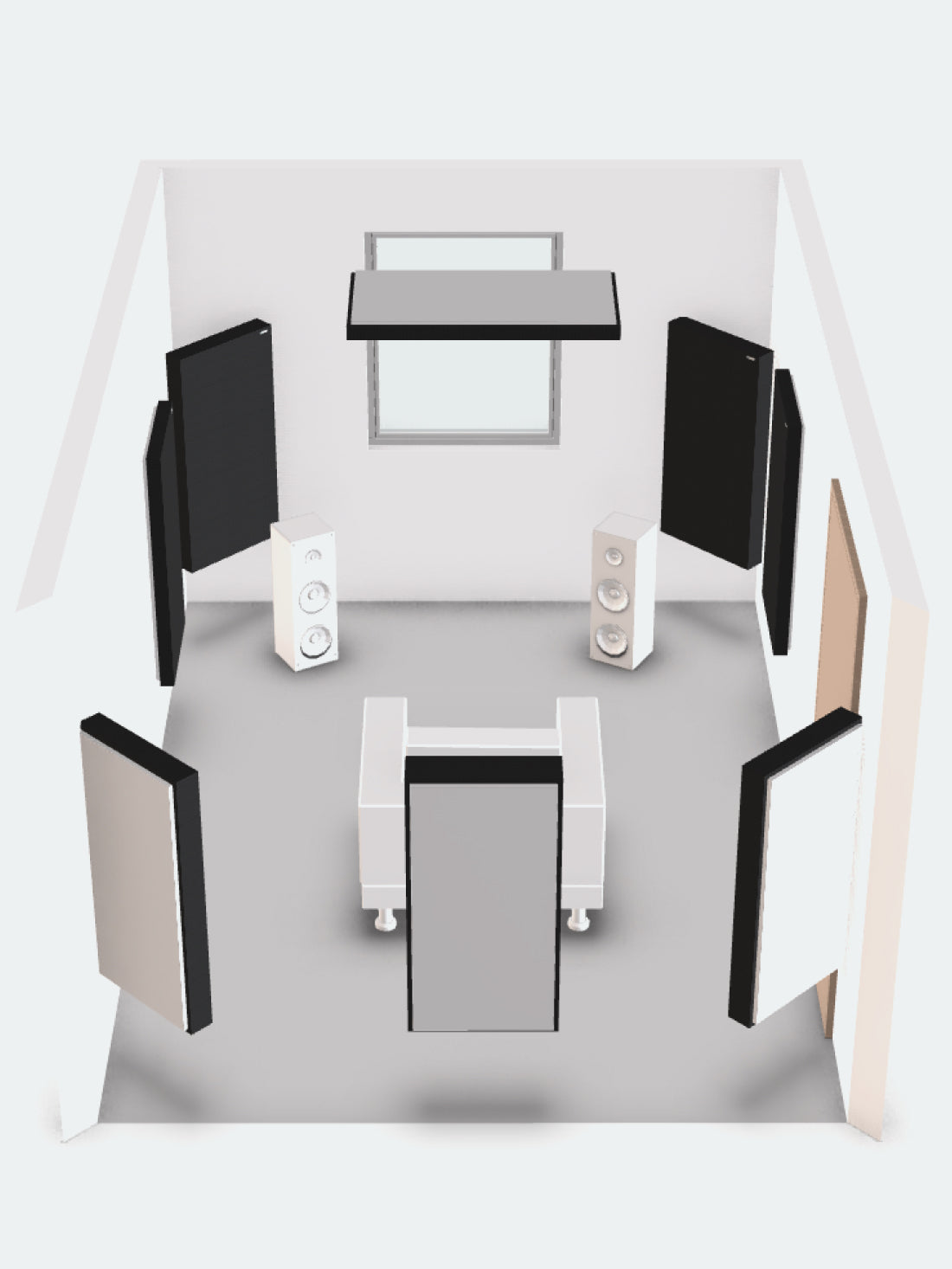
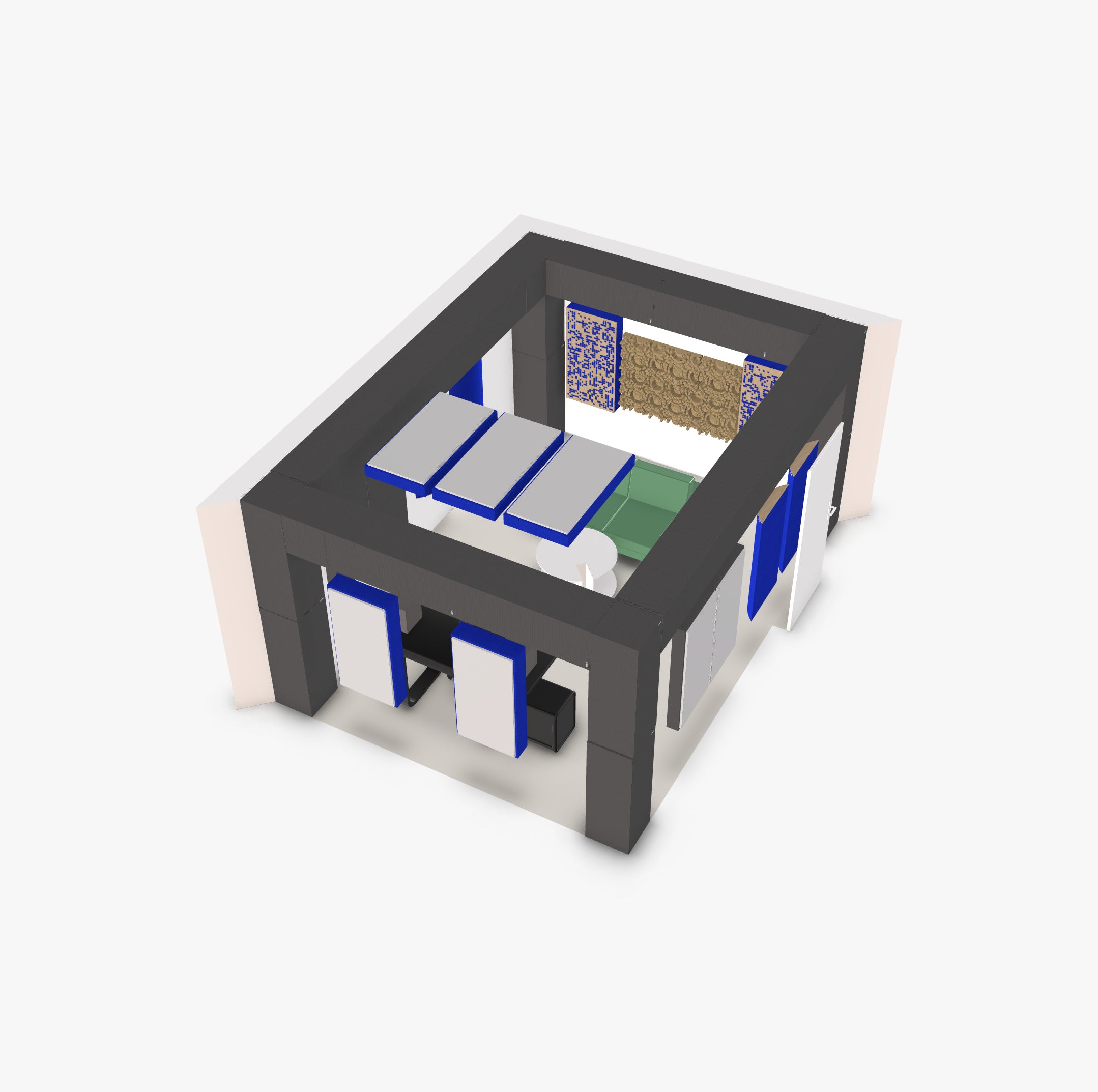
The best starting point for placing bass traps is typically in the corners of the room, where low-frequency sound waves tend to converge and build up. This is why corner traps are highly effective at capturing and absorbing these frequencies.
Regardless of the room dimensions, bass buildup occurs along flat walls and the ceiling as well, especially in smaller spaces like home studios or control rooms. That is why we want to install deeper panels along the walls to further smooth out the frequency response and reduce resonances. Some positions also benefit from hybrid devices that combine bass trapping with diffusers or scattering elements, maintaining room liveliness while controlling low-end decay. But keep in mind: overall performance is more about coverage area (how many square feet of bass trapping are we adding?) than anything else.
MATERIAL MATTERS
Why studio foam isn't enough
Material choice plays a critical role in the effectiveness of low-frequency absorption. Many inexpensive treatment options on the market are made from acoustic foam, which is often marketed as a one-size-fits-all solution for sound treatment. However, acoustic foam is less effective at absorbing low-frequency sound than larger, more robust porous absorbers such as mineral wool or fiberglass.
Acoustic foam can be effective at absorbing high frequencies, but it falls short at managing low-end sound energy. It's usually too thin, and even if it were thicker, its gas flow-resistance properties aren’t optimized to allow low-frequency sound waves to fully enter the material to be absorbed. On the other hand, mineral wool and fiberglass are true broadband absorbers, more optimized across various thicknesses for more efficient dampening of low-frequency resonances. This makes them the preferred materials for effective bass traps.
Thicker = Better
A deeper trap will be more effective at lower bass frequencies because sound waves have to travel farther within the material. With a wide range of different bass traps available, we can ensure we absorb the broad range of low-frequency sound that can distort your listening environment.
Our patented FlexRange technology also incorporates a built-in air gap for even better performance, extending the bass traps' absorption into the low-frequency range. The device's frequency response can also be contoured as needed with Range Limiters to maximize bass absorption and reduce midrange/treble absorption for a more balanced room that isn’t too dead.
FAQs
Do I Need Bass Traps?
All rooms will benefit from a bass trapping strategy. If you have issues with low-end distortion, bass resonances, or standing waves, you will notice an immediate improvement once the bass traps are installed. They are essential for anyone looking to improve the clarity and accuracy of low-frequency sound in their space.
How Do I Decide Which Type of Bass Trap to Purchase?
Choosing the right bass trap depends on your room’s size and shape, as well as the level of bass absorption you need. Corner bass traps are ideal for most rooms, but wall panels or freestanding units may be more suitable for larger or unusually shaped spaces. One key question is, how much space inside the room is available to improve the low end?
Do You Offer Design Services?
Yes, at GIK Acoustics, we provide Free Acoustic Advice to help you choose the best treatment strategy for your space. Our experts can guide you on the best placement and combination of products to achieve optimal sound quality.
Where Should I Put a Bass Trap?
Bass traps help literally everywhere you can put them in a room! But the most effective placement is typically in the corners of the room, where bass frequencies tend to accumulate. You can also place them along walls, especially if your room has irregular dimensions that cause uneven frequency response.
What Material is Best for My Space?
Fiberglass and mineral wool (like Owens Corning or Knauf) are the best materials for bass treatment because they offer excellent broadband absorption, particularly in the low-frequency range. Unlike acoustic foam, these materials are more optimized for maximum low frequency performance.