


Acoustic Knowledge Base

Speaker Placement 201, Part Two: Using Subwoofers
Building on Part One, James Lindenschmidt dives into subwoofer placement strategies for flattening bass response — from basic corner placement to ¼ null-point positioning, crossover tweaking, and using two or four subwoofers to cancel out axial modes. An essential read for anyone with a subwoofer/satellite system looking to maximise low-end accuracy.
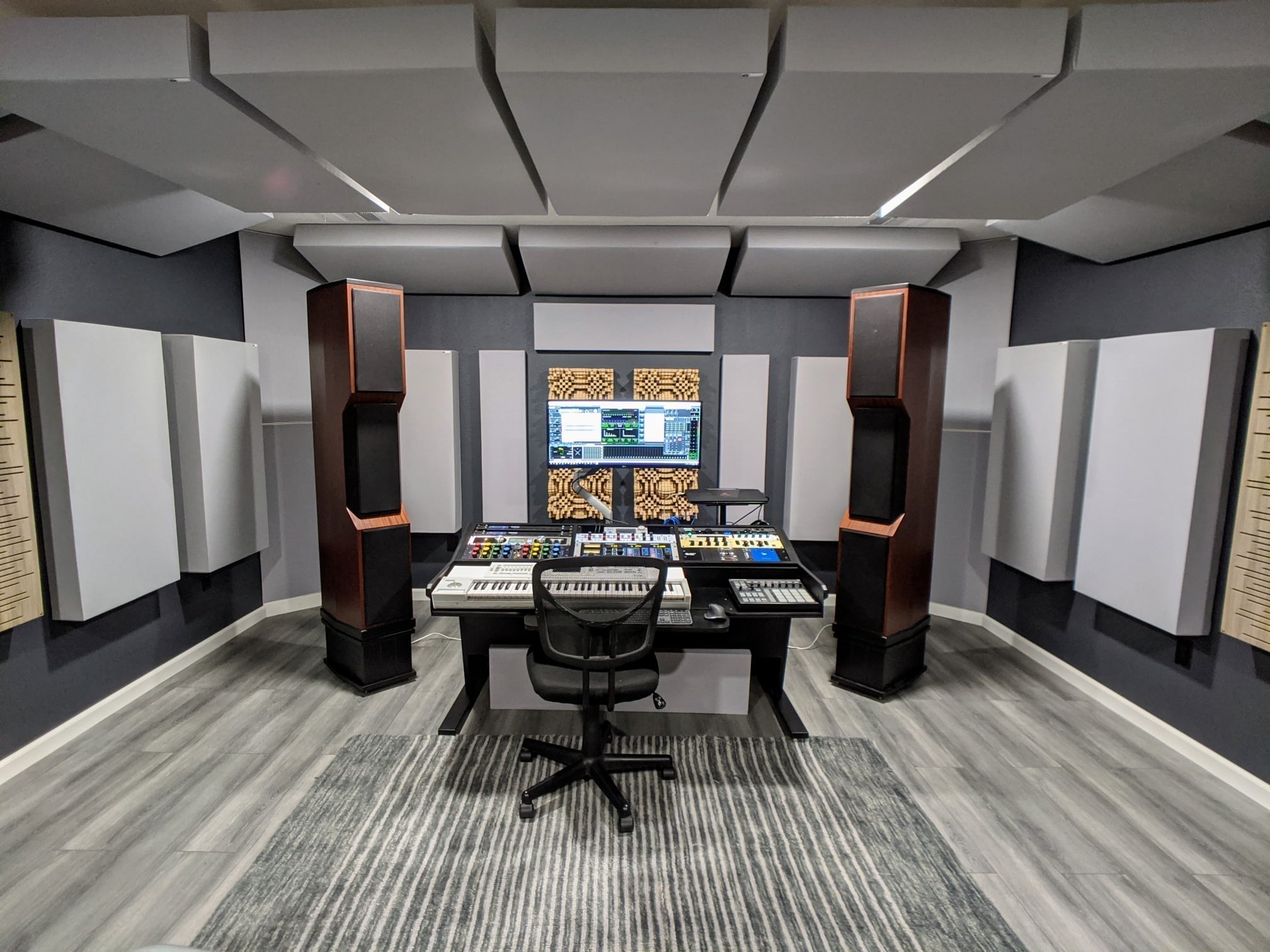
Speaker Placement 201: Part One
Getting speaker placement right means balancing two competing problems: stereo imaging and accurate bass response. In this first of a two-part series, James Lindenschmidt explores equilateral triangle setups, dual monitor configurations, room modes, SBIR, and when subwoofers can solve the compromise entirely. Essential reading for anyone setting up a listening room or studio.
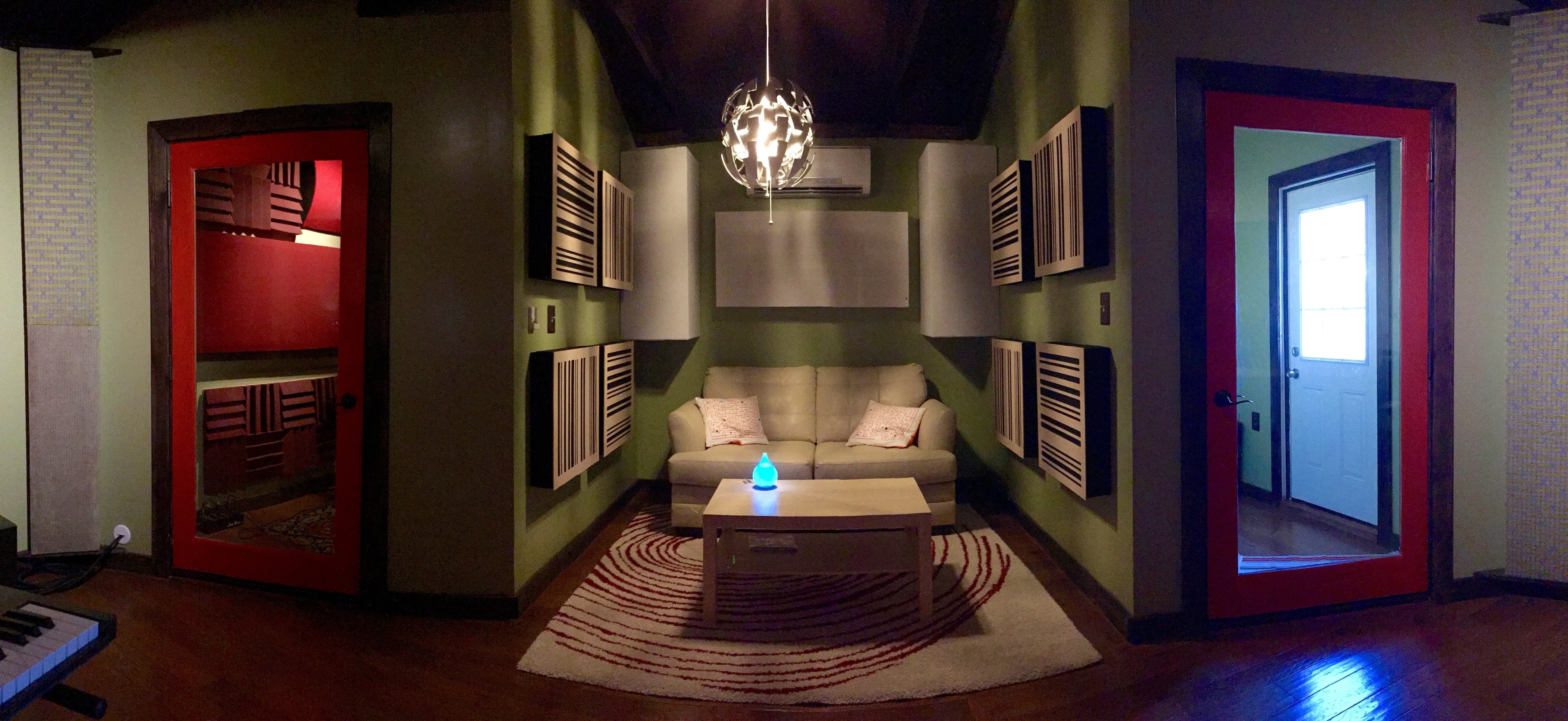
Treating a recording room follows the same acoustic principles as a listening room, but the application is different. James Lindenschmidt walks through the key strategies — finding your sweet spot, bass trapping, managing early reflections, and balancing diffusion — to create a versatile, great-sounding space for recording drums, vocals, and full bands.

The Diffusion Dimension Download: 1D vs 2D Diffusion
1D diffusors scatter in one plane, 2D in both — but which is right for your room? This guide breaks down the real differences between one-dimensional and two-dimensional diffusion and explains which works best for listening rooms, live rooms, and everything in between.
Learning To Listen: Acoustics and the Listening Experience

Decoding Diffusion: Types of Acoustic Diffusors Explained
Diffusion is the most misunderstood acoustic treatment option. This deep dive breaks down the three main types — Reflection Phase Gratings, Geometric diffusors, and Binary Amplitude panels — explaining how each works and when to use each one.
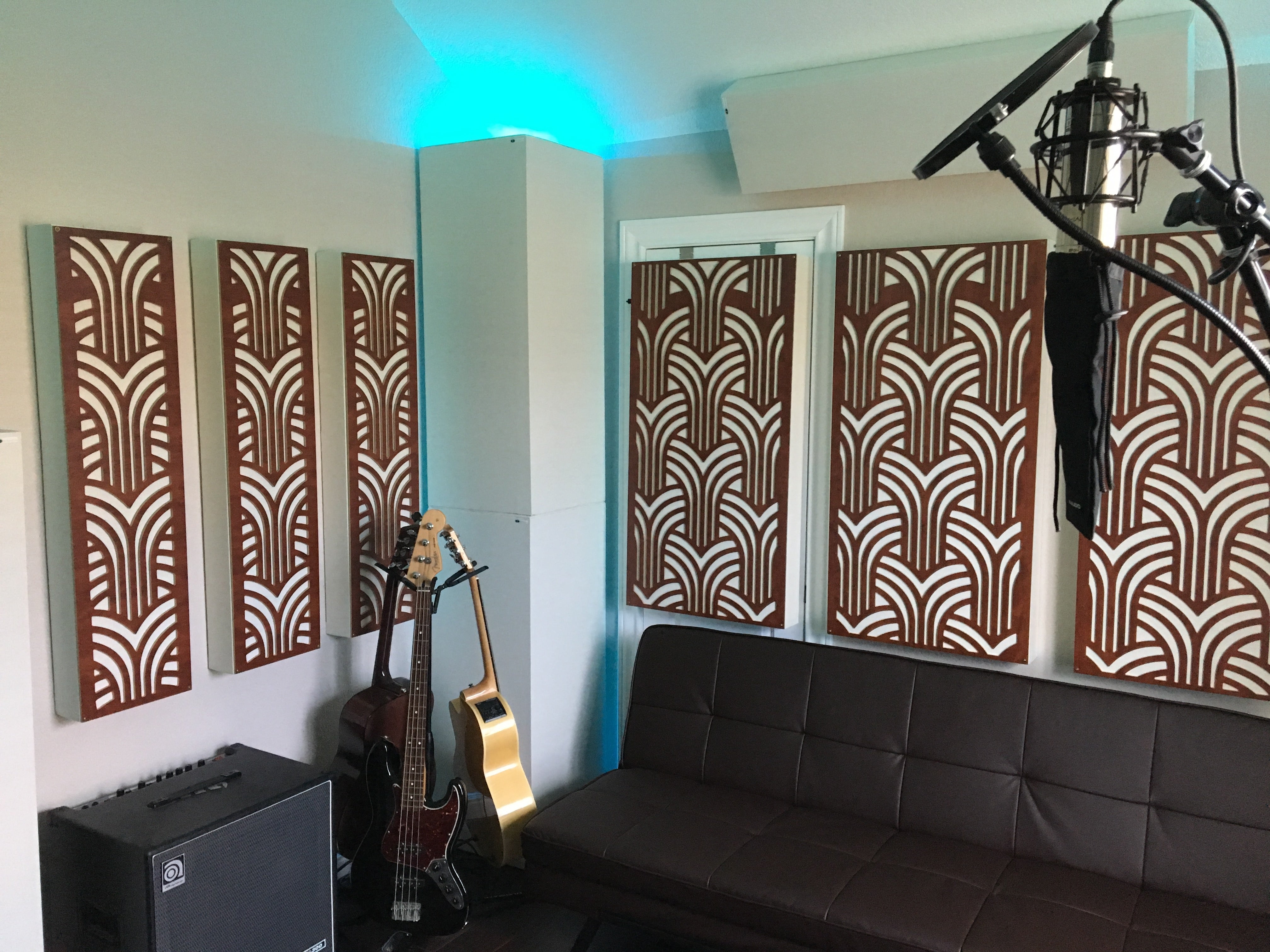
From mic technique to acoustic treatment, this guide covers every strategy voiceover artists need to produce clear, professional tracks — whether you're working in a dedicated studio, a treated bedroom, or an untreated room with portable panels.
Make Better Recordings with the PIB™ Portable Vocal Screen
Close-miking is the safe choice in an untreated room — but it limits what you can capture. This deep dive shows how the PIB™ Portable Vocal Screen opens up better mic placement options and makes recordings respond dramatically better to mixing and processing.

Choosing Home Theater Audio with Acoustics in Mind
The audio format you choose for your home theater should be driven by your room as much as your budget. This guide breaks down 2-channel, 5.1, and Immersive Surround formats — and explains why acoustics should be part of the decision from day one.