


Acoustic Knowledge Base
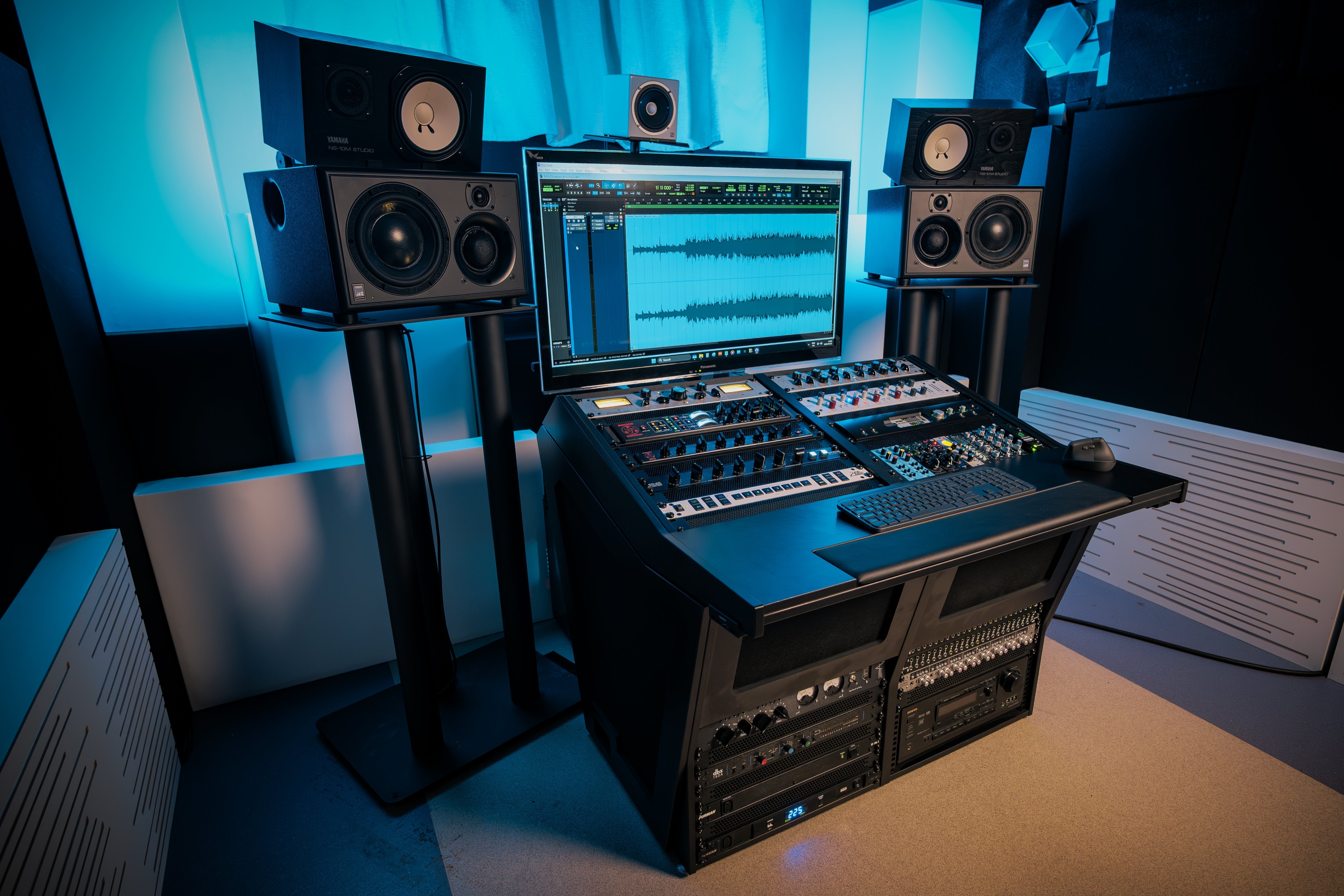
Getting your room set up properly is the foundation of good acoustics. This guide walks through speaker placement, listening position, early reflections, bass issues, and late reflections — with links to deeper reading on every topic.

From patented designs and Class A fire-rated materials to free expert advice and proven acoustic performance, here's what separates GIK Acoustics from every other treatment manufacturer on the market.

Mounting Bass Traps in Corners
Most people only treat the four wall-to-wall corners — but a rectangular room actually has 12. Learn how to mount bass traps in upper and lower corners to get the most out of your low-frequency treatment.

The Basics of Bass Traps and Diffusion Panels
If you're setting up a home studio, listening room, or home theater in a typical residential space, bass frequencies are almost certainly your biggest acoustic challenge. In this video, GIK Acoustics walks through why small rooms struggle with low-end buildup, how bass traps and diffusion panels address the problem in different ways, and how to lay out a practical first treatment using TriTrap™ Corner Bass Traps, FlexRange® Bass Trap Panels, and GridFusor diffusion panels.
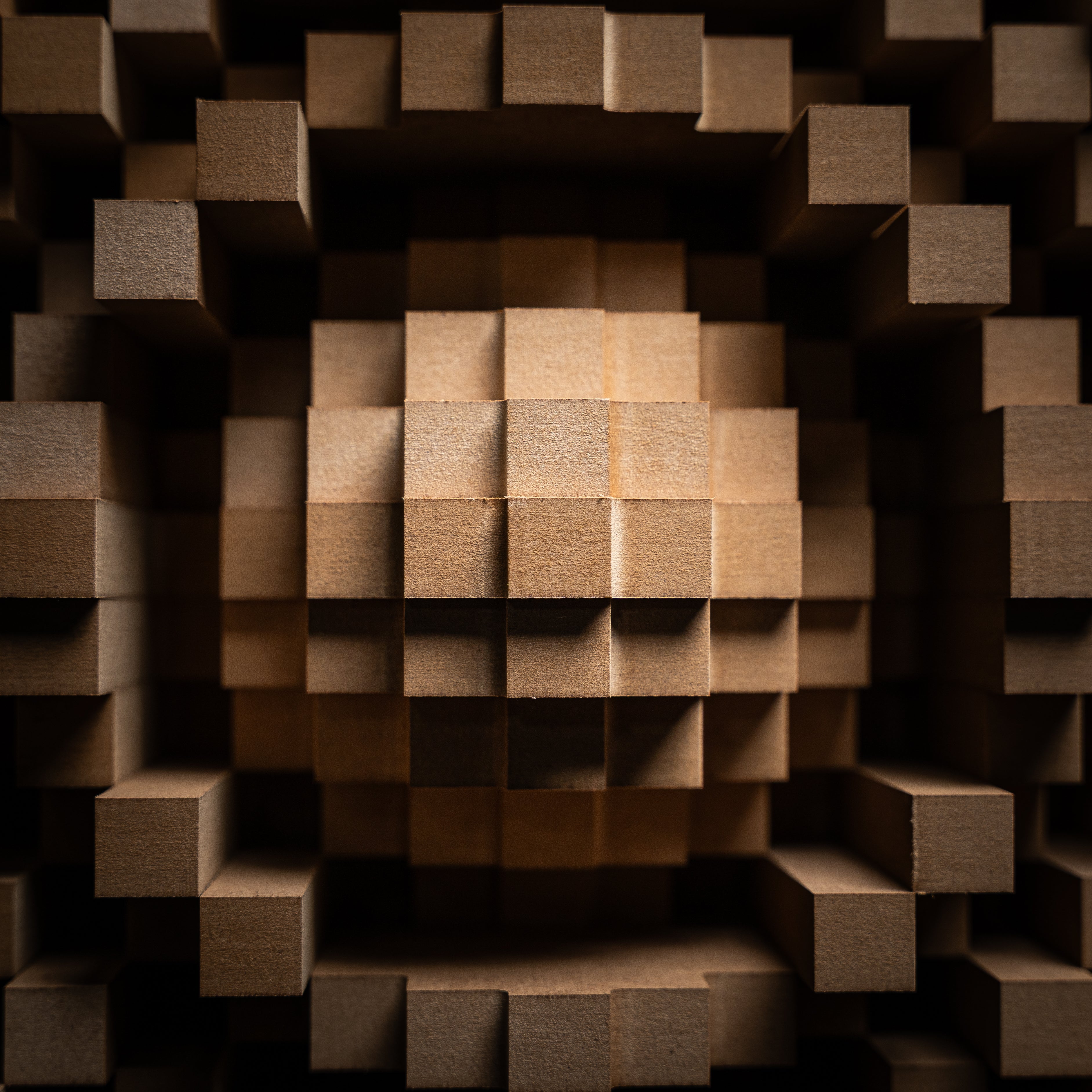
This short video companion to our How Diffusion Works article explains the science of sound diffusion in plain language. It covers how a properly designed diffuser scatters sound waves evenly across time, direction, and intensity, why home remedies like bookshelves don't work, and what to look for in a professional diffuser.

Understanding Different Bass Trapping
Not all bass traps work the same way. This guide breaks down the difference between broadband velocity absorbers and precision-tuned pressure absorbers — and how to use both to get accurate, controlled low end in any room.
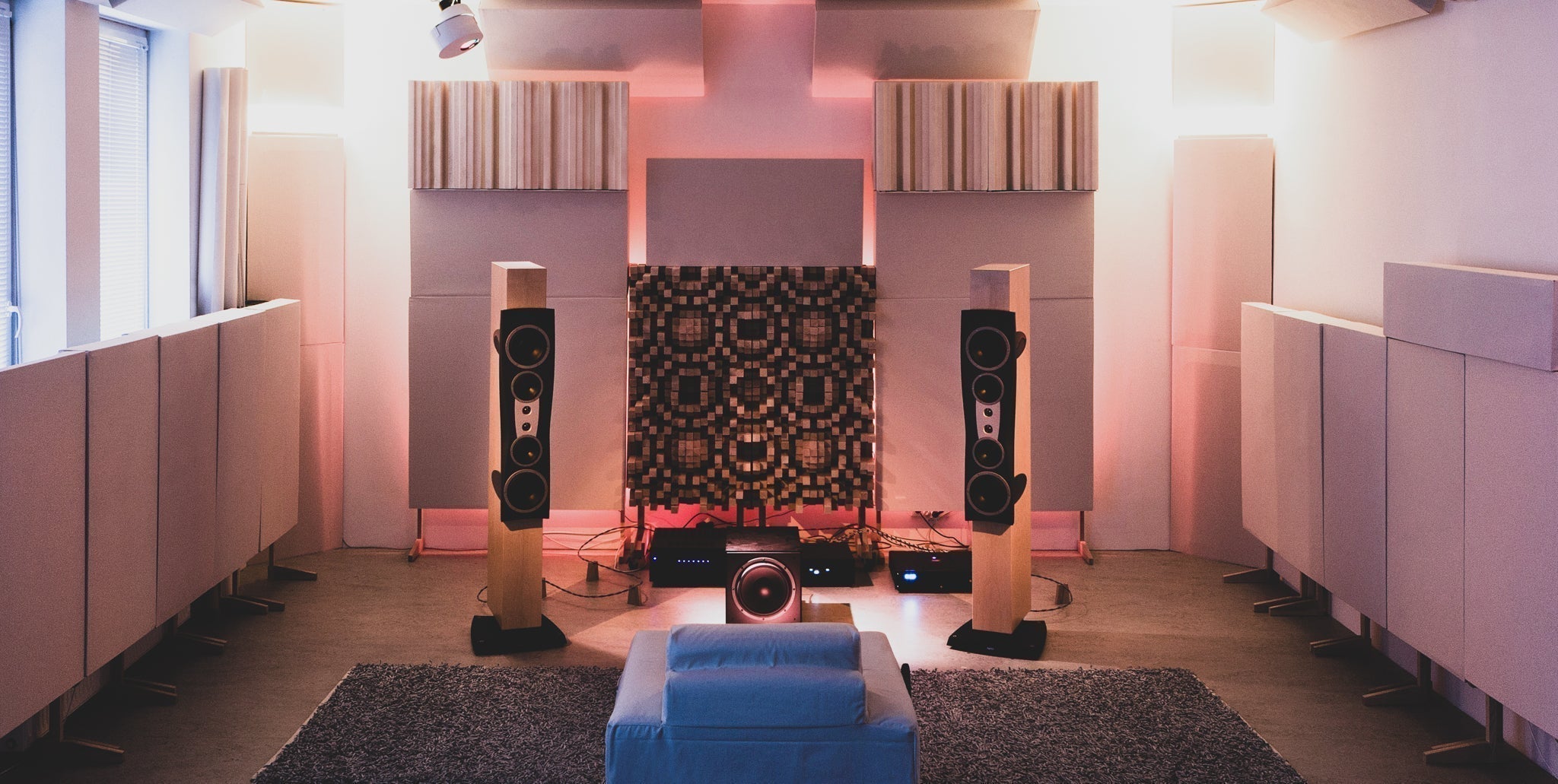
Listening Room Acoustic Treatment — Czech Republic Case Study
Acoustic technician Zalan Schuster uses GIK Acoustics products to treat a listening room in Pardubice, Czech Republic — with dramatic results the owner could hear immediately.

Testing for Corner Bass Trap Placement
Not sure which corners need bass trapping most? This short video and guide walks you through a simple method using a filtered pink noise audio file to identify where bass is building up in your room. Walk the room while it plays, listen for volume increases in the corners, and treat those spots first — no room measurement software required.

Bass Traps and Understanding Low Frequencies
Low frequencies don't travel in a straight line — they radiate, wrap, and bounce around your room in ways that cause peaks, nulls, and muddy decay. Learn why bass traps are the essential first step in any acoustic treatment plan.