


Better Room, Better Voice Recordings
Great voice recordings don’t come from expensive microphones alone, they come from well-treated rooms that support clarity and accuracy. Untreated spaces add echoes, boxiness, harsh midrange, and other sonic artifacts that distract listeners and create more work in post. By controlling reflections, taming low-end buildup, and ensuring a balanced sound, GIK treatment helps create recordings that need less repair or damage control, lowering production costs and keeping audiences tuned in.
Voiceover/Podcasting Products



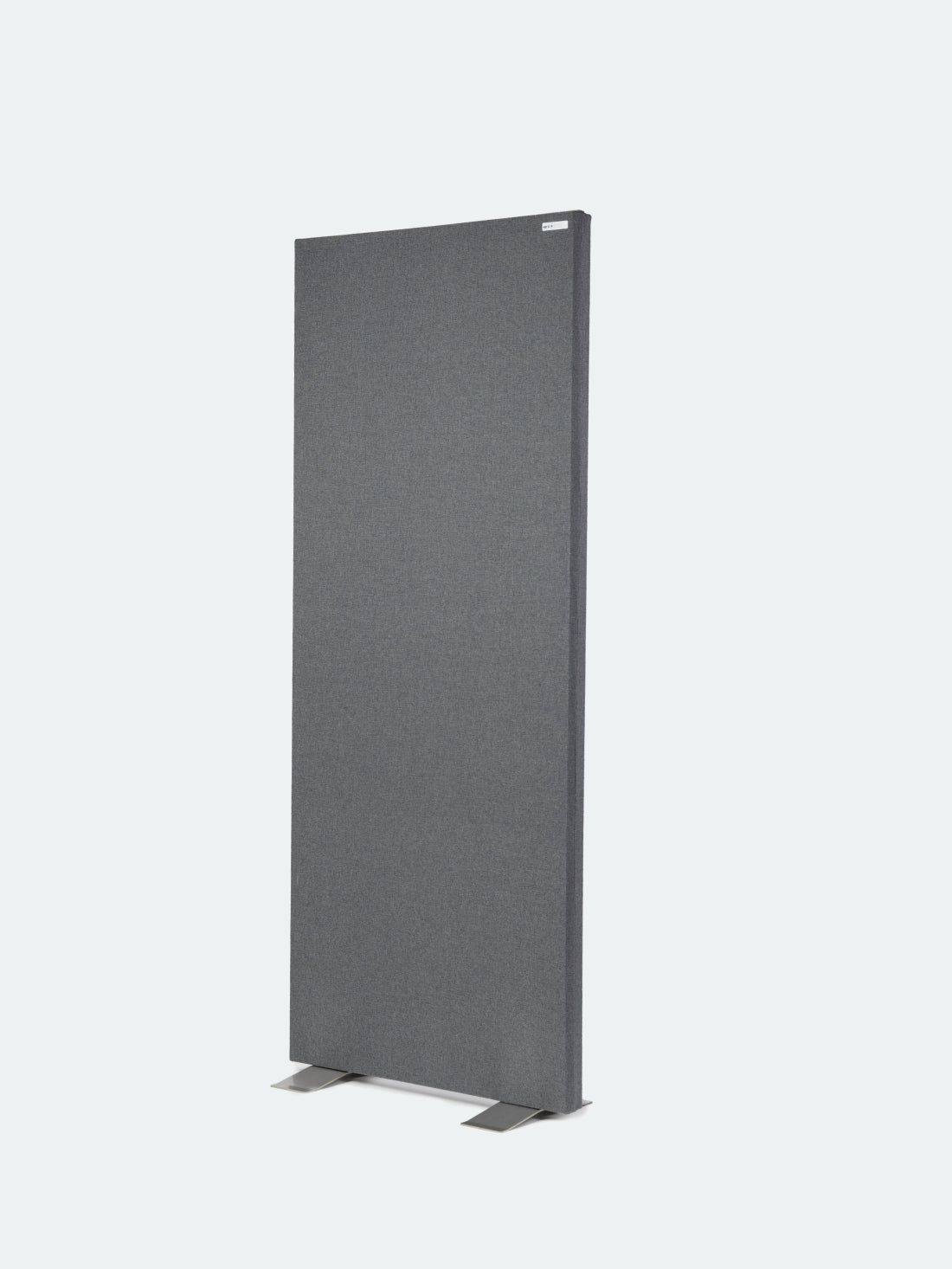
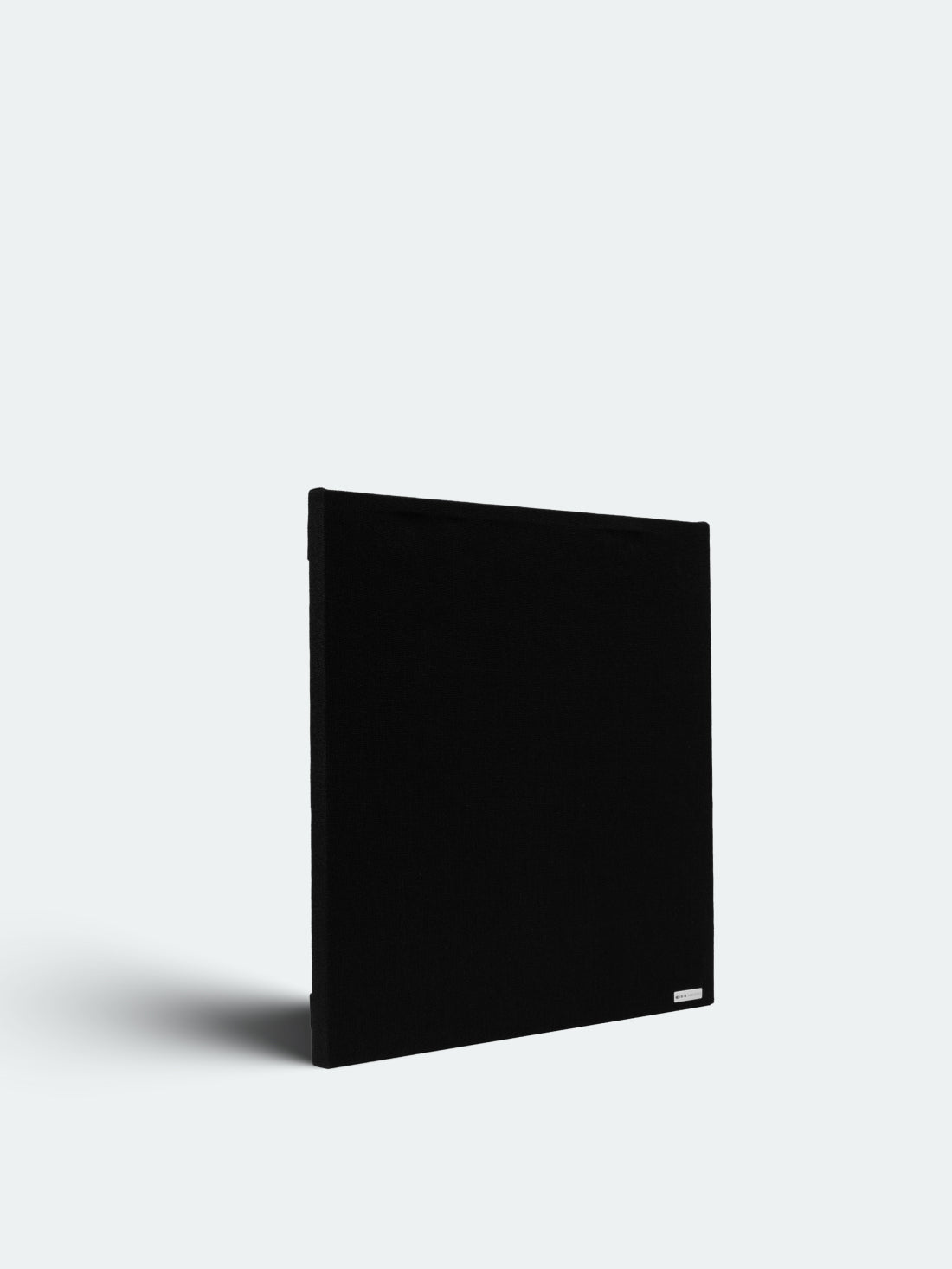

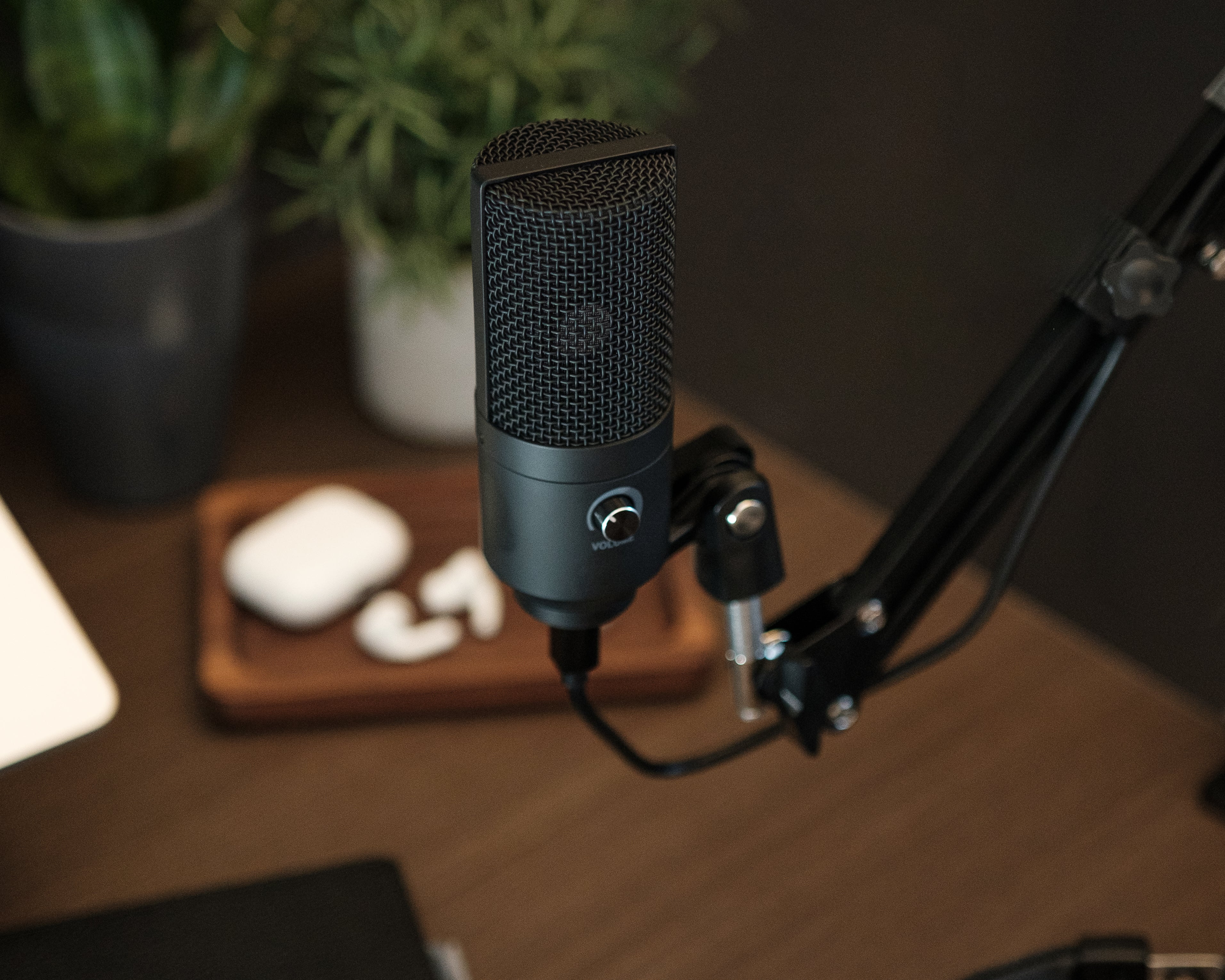
Voice Clarity
Speech intelligibility depends on controlling reflections in the mid and high frequencies. Broadband absorbers placed near the mic position remove early reflections and reduce reverb that smears words and reduces focus. GIK offers flexible solutions, from wall-mounted panels to portable options like the PIB (Portable Vocal Screen), ensuring your voice comes through crisp and professional.
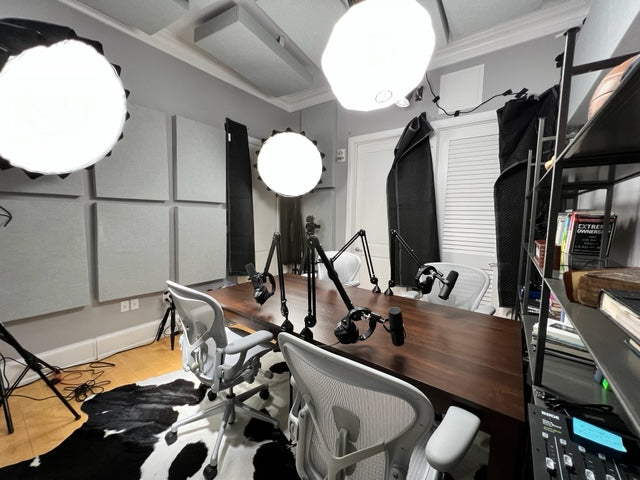
Eliminate Boxiness / Boominess
Small rooms often exaggerate certain low-mid frequencies at the fundamental low range of most human voices, creating a boxy or boomy tone. Adding 4" or thicker panels smooths these problem areas, giving your recordings a clean, natural low end. With these treatments, you’ll spend less time chasing flaws with EQ and more time focusing on a compelling performance.
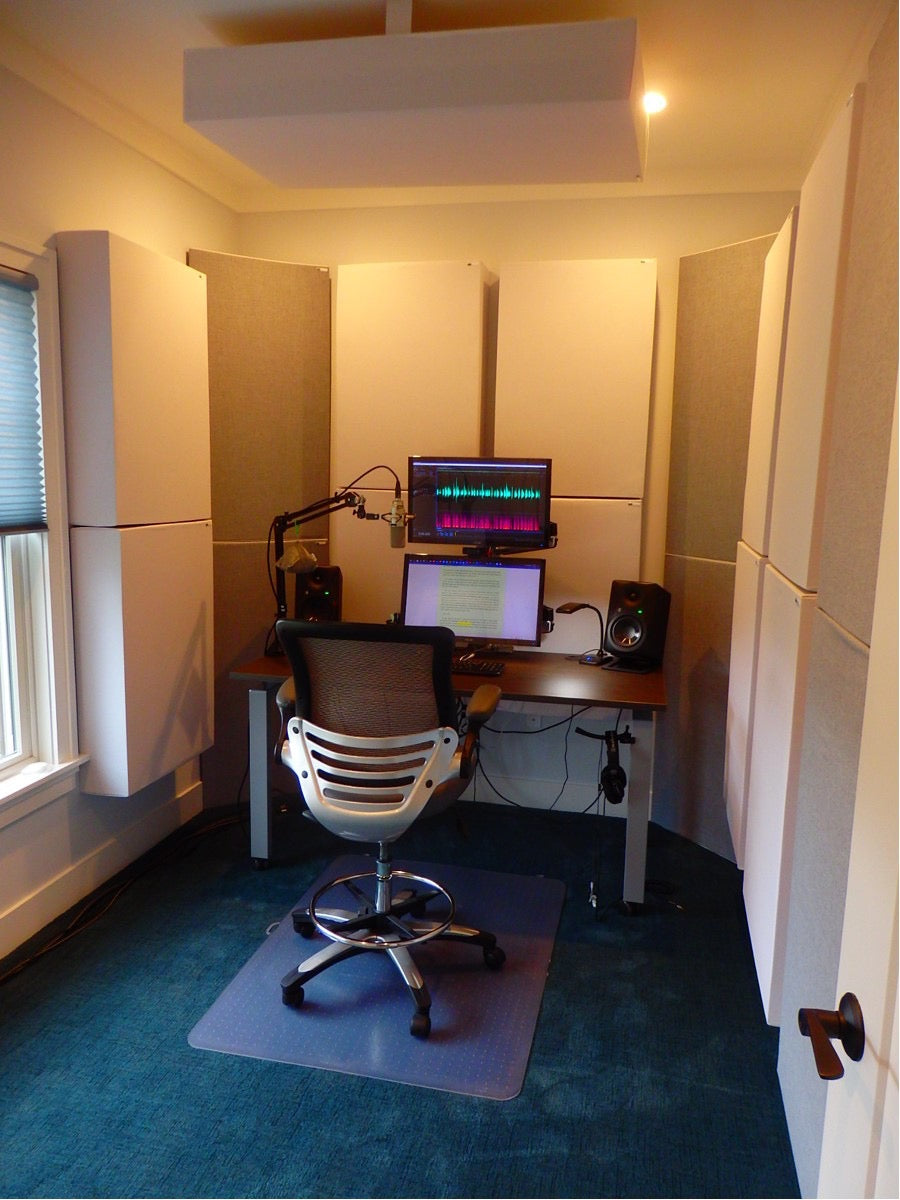
Balanced, Neutral Recordings
The best recordings sound natural and neutral, not overly dead or harsh. A "deader" room is common for voice recording scenarios, or for a more balanced room we can deploy a mix of absorption and diffusion. GIK’s Amplitude Series and other hybrid panels ensure your space remains neutral and comfortable, producing voice tracks that translate perfectly across platforms and playback systems.
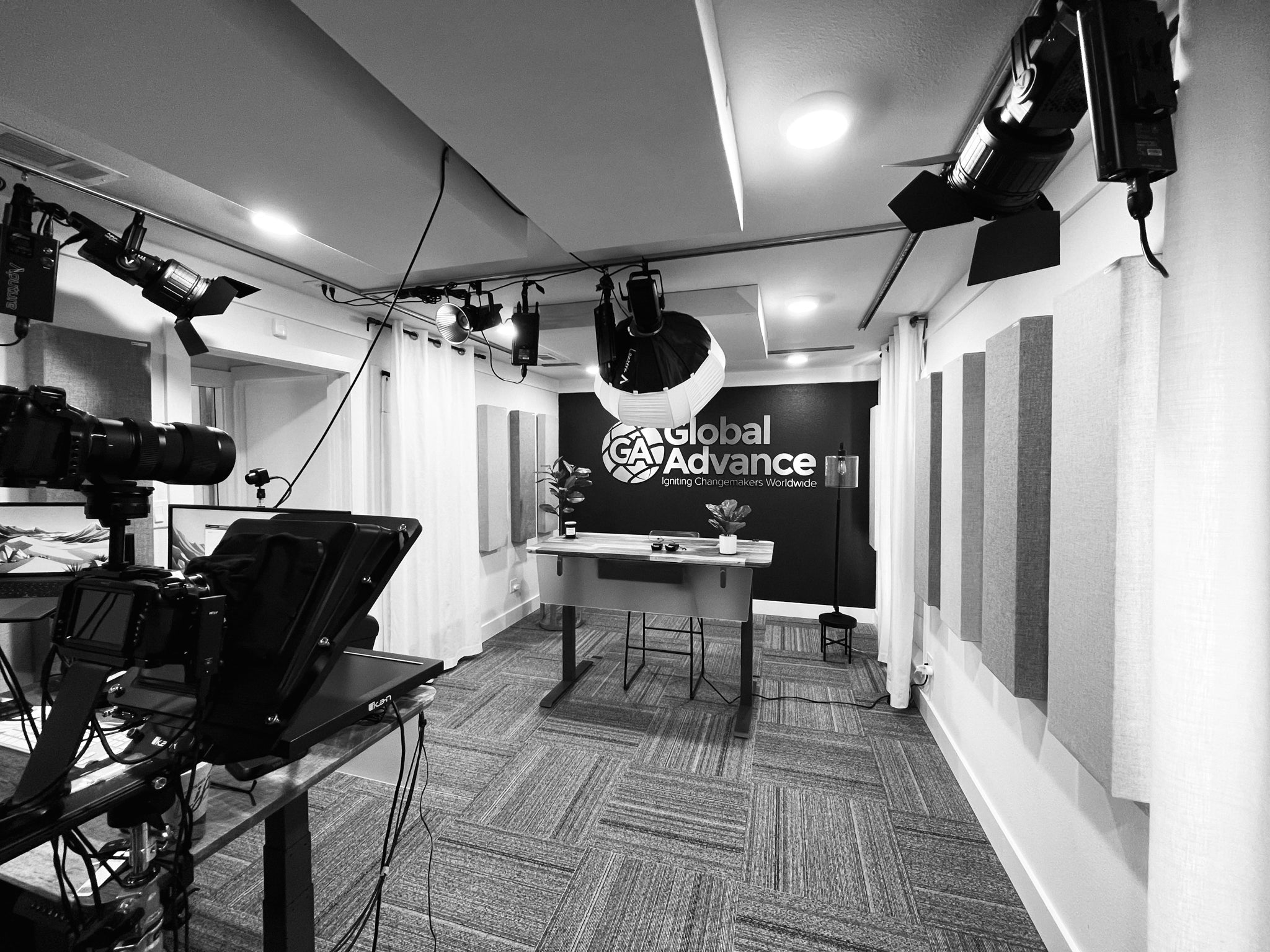
Explore more treatment

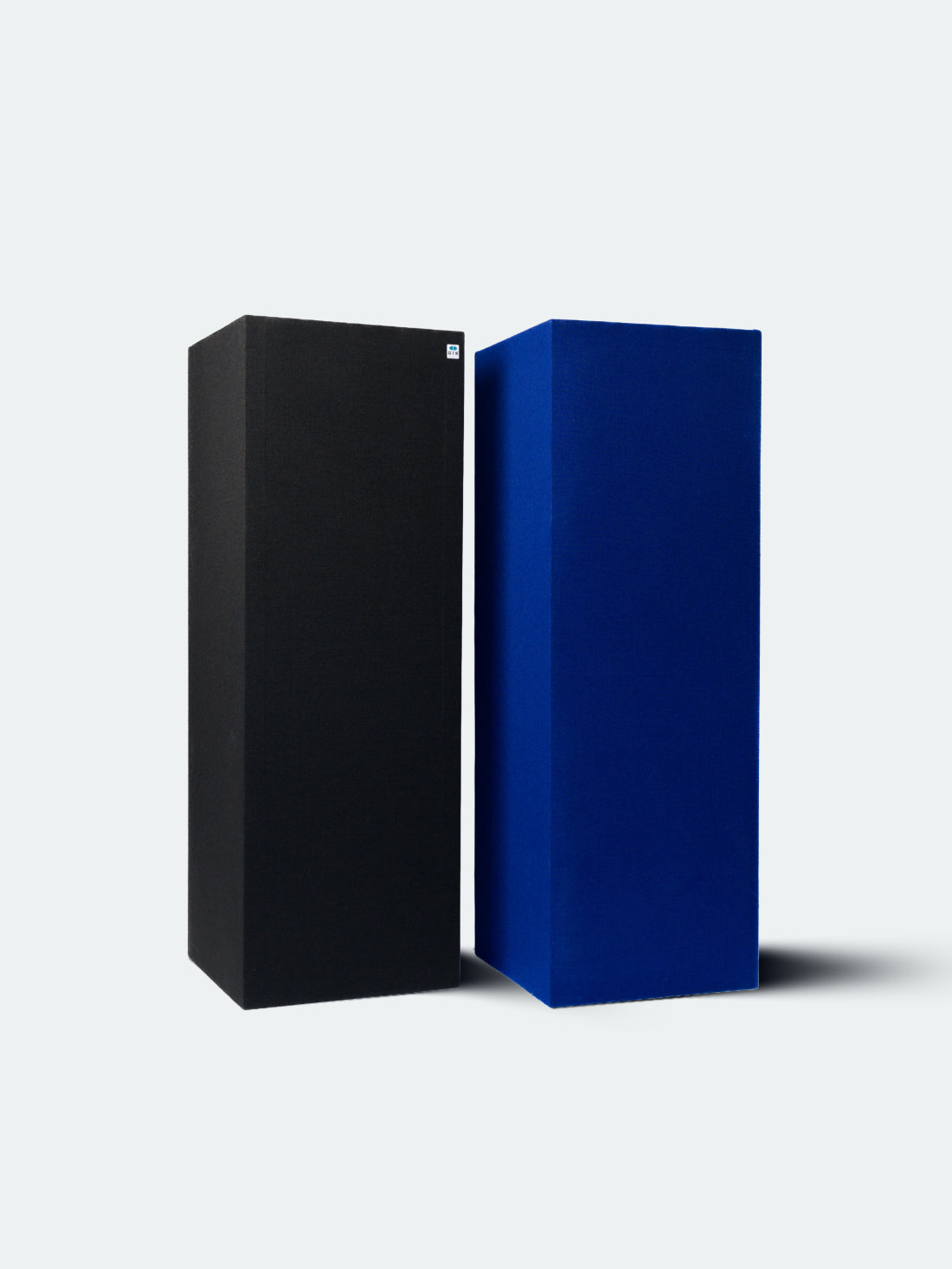
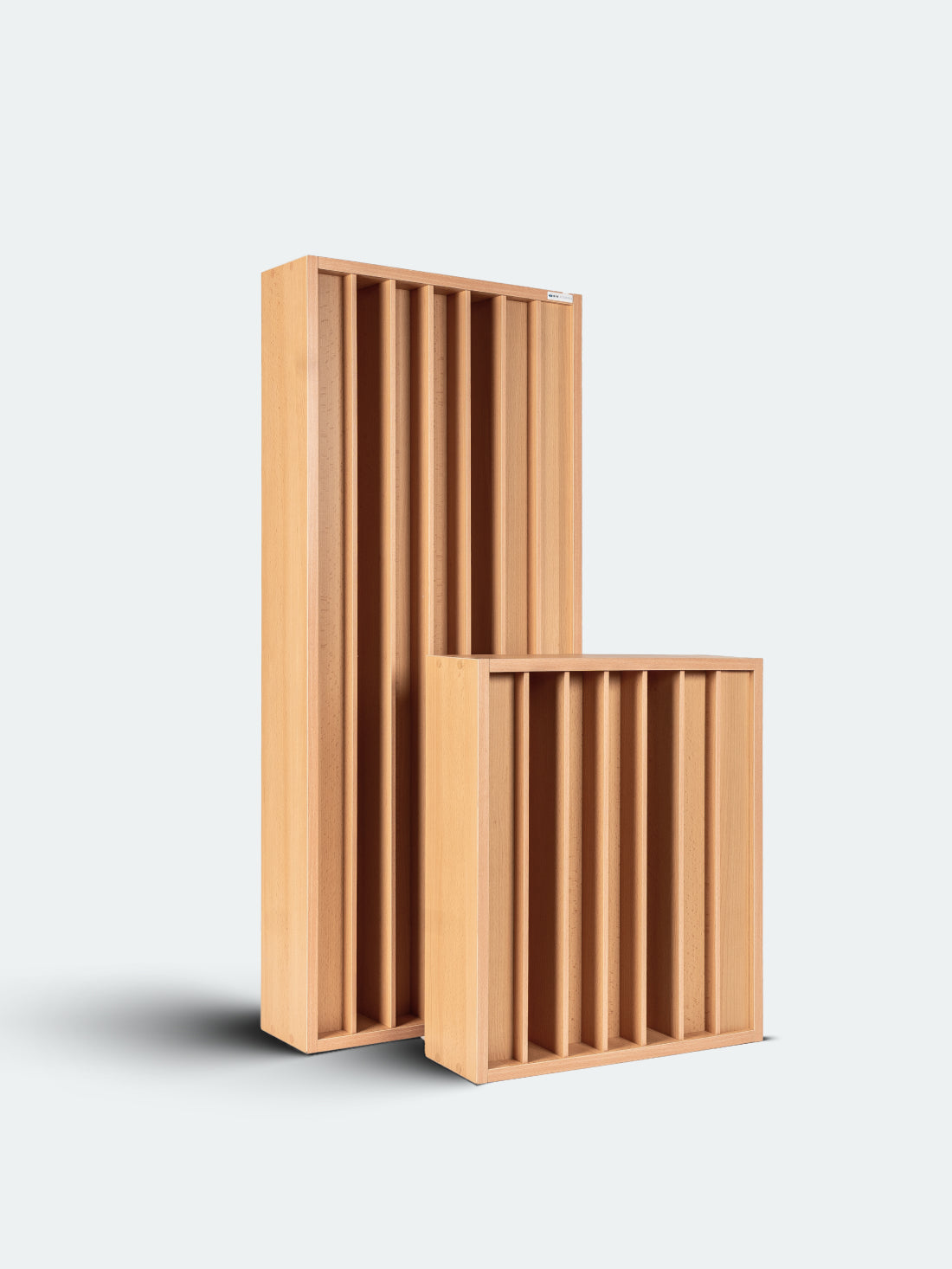

A Deeper Dive


How to Build a Podcast Studio for Clear Audio

How Thick Should Acoustic Panels Be?
Frequently Asked Questions (FAQ)
Why isn’t a good microphone enough for pro results?
A great, sensitive microphone will also capture the flaws of an untreated room. Acoustic treatment addresses echo, boxiness, and reverb at the source, so recordings sound polished right away.
What’s the best way to deal with boxy or boomy voice recordings?
Boxiness and boominess often comes from upper-bass lower-mid buildup in small rooms. The most effective fix is using 4" or thicker absorbers in key spots, which are active across the entire range of the human voice, smoothing the low end and keeping your voice sounding natural and clear.
Will treatment make my room too dead?
No. One big reason is that traditionally, vocal recording areas have historically been pretty dead. Using thicker panels ensures a balanced response across bass, midrange, and treble, which eliminates that "dead but boomy" sound that comes with thin panels. But if deadness is a concern, diffusion or hybrid panels like our Amplitude series can be deployed to keep the room from sounding lifeless.
What if I don’t have permanent studio space?
Portable solutions like GIK’s PIB (Portable Isolation Booth), Pro Vocal Booth, or other options provide professional treatment that can move with you, perfect for home or temporary setups.
Where should I start if I’m new to acoustic treatment?
We have a ton of educational content available, but for a more personalized start GIK's Free Acoustic Consultation is ideal. Start with the Free Acoustics Advice Form to be onboarded with a GIK Designer. By sharing details and photos of your recording space, our team can recommend the most effective mix of panels and placement strategies for your goals.