Acoustic Knowledge Base

Mix/Master Engineer sitting in front a computer in a room with GIK Acoustics Panels

Choosing the Best Bass Traps for Your Room

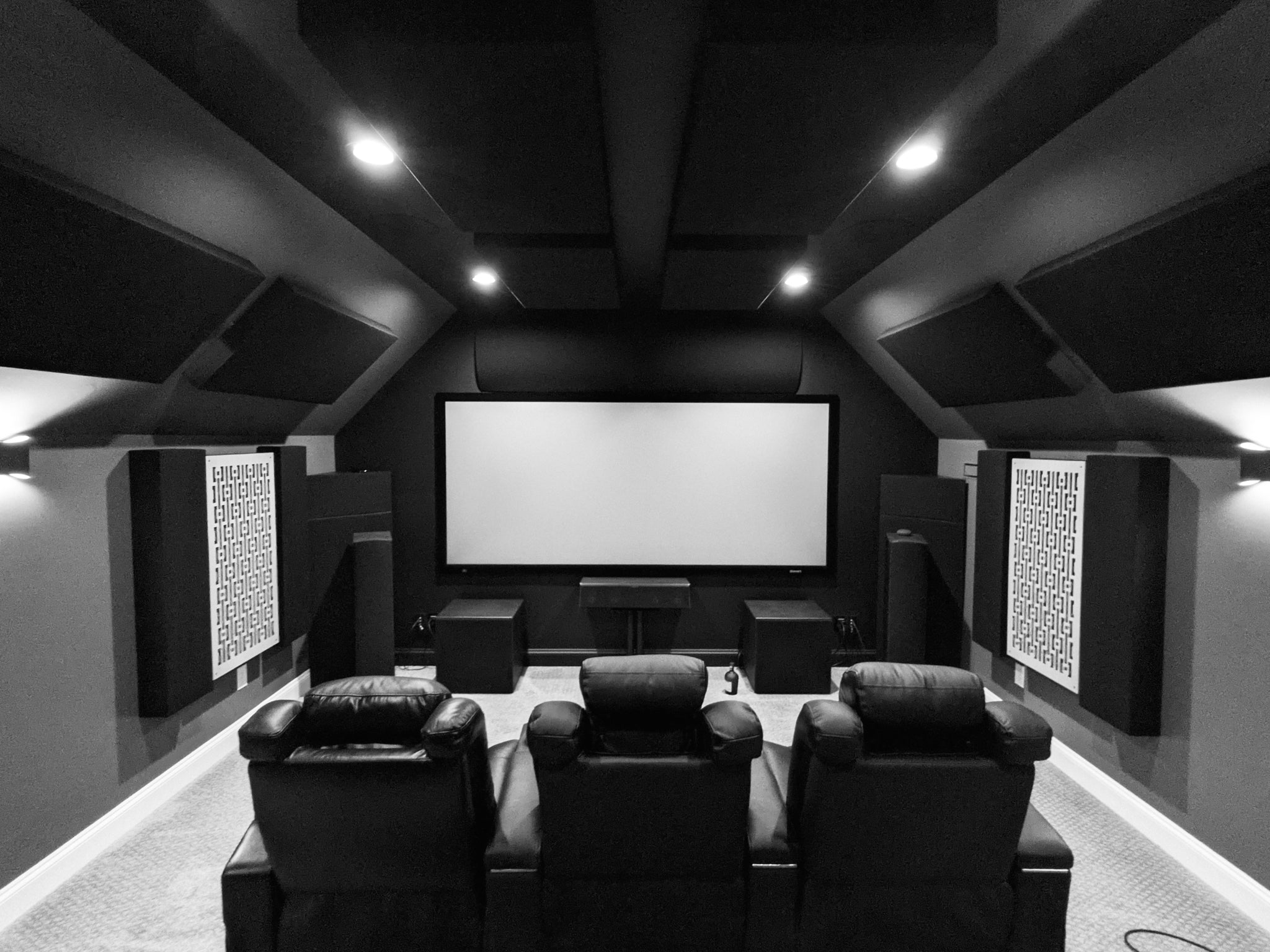
Effective bass treatment comes down to one core tradeoff: low-frequency performance vs available space. Deep bass control requires both sufficient coverage area and thick acoustic treatment, as low frequencies below 100Hz are driven by room modes and standing waves that standard panels cannot fully absorb.

This guide explains how bass behaves in rooms, why it’s harder to control than mid and high frequencies, and how to build a complete acoustic treatment strategy using GIK Acoustics bass traps. It covers key placement zones—including corners, walls, and ceilings—where low-frequency buildup is strongest, along with product recommendations for each area.

From corner solutions like Soffit, TurboTrap, and TriTrap bass traps to broadband panels like FlexRange® and Classic Bass Trap Panels, the article outlines how thickness, placement, and coverage work together to improve frequency response and decay times. Hybrid options like Amplitude and SlatFusor panels add diffusion and scattering, while Scopus tuned membrane traps provide precise control of problem frequencies.

Whether you're treating a recording studio, home theater, or listening room, this guide helps you design a scalable bass treatment plan that balances performance, space, and budget—backed by acoustic science and real-world application.

Read more

Image of a small studio featuring GIK Acoustics Panels including Amplitude Panels

What Are Room Modes | GIK Acoustics

Every room has modal resonance problems — the question is how severe they are. This guide explains what room modes are, how to identify them, and the step-by-step treatment strategy to get your bass response under control.

Read more

Room Acoustics Primer | GIK Acoustics

Room Acoustics Primer | GIK Acoustics

Learn how to treat small rooms with bass traps, panels, and diffusion to fix low-end issues, reduce reflections, and achieve clearer, balanced sound.
Read more

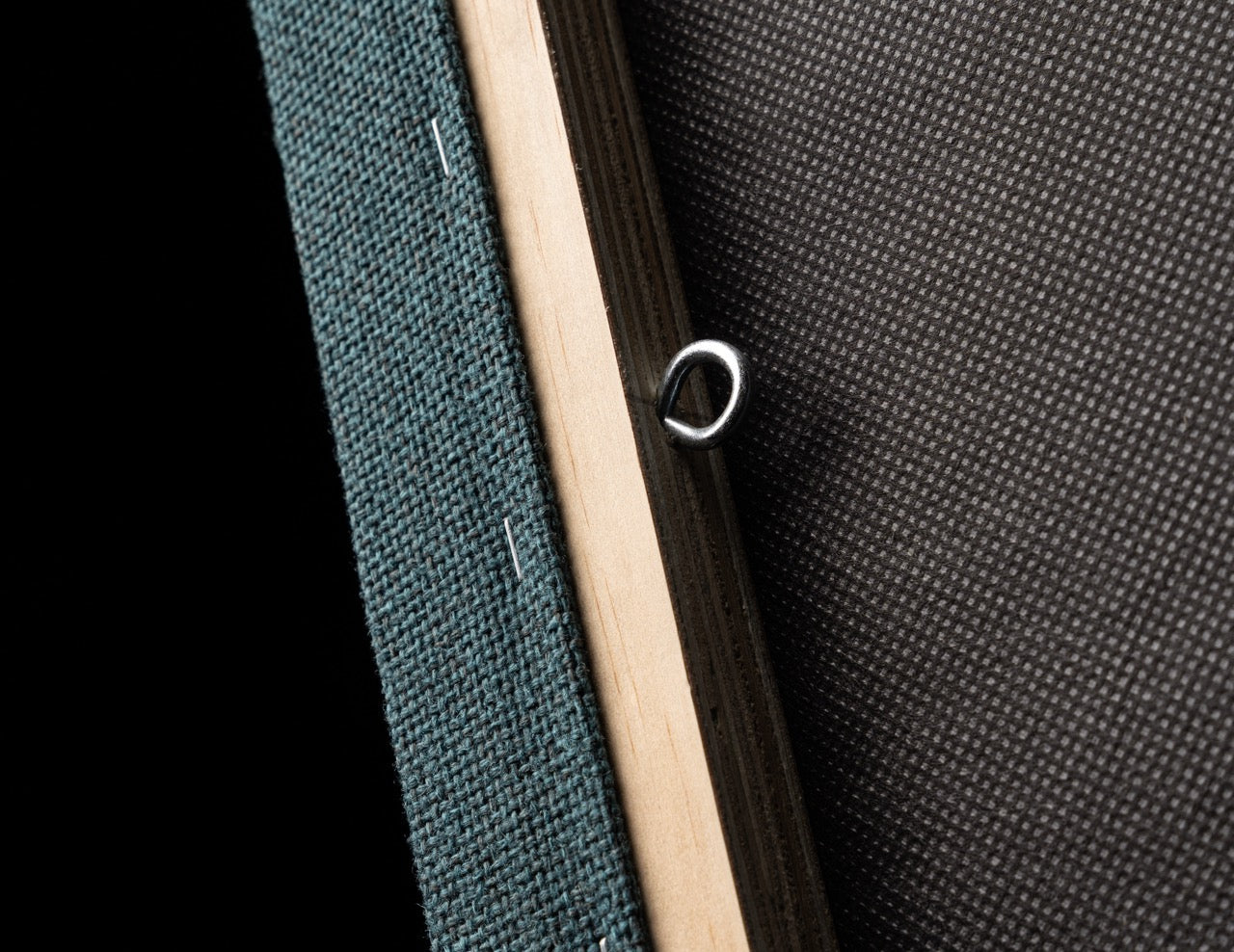
closeup of backside of acoustic panel

Mounting GIK Acoustics Products in Corners | GIK Acoustics

Installing GIK Acoustics panels in your room corners is easier than you think. This quick guide walks through the measurements, hardware, and steps to hang FlexRange® panels cleanly and securely.
 

Read more

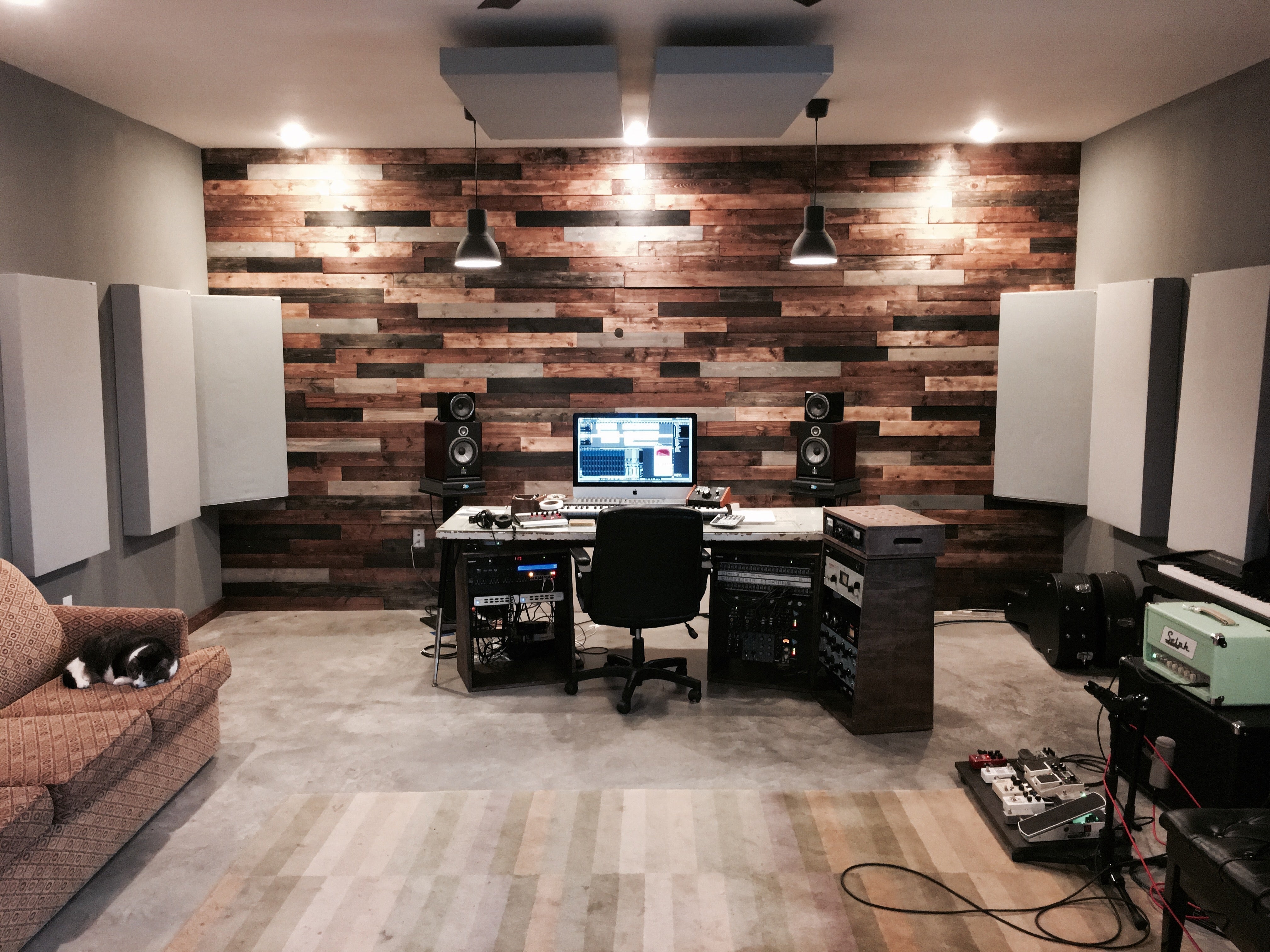
recording room with acoustic treatment

Early Reflections Explained | GIK Acoustics

Learn how early reflections impact clarity, imaging, and fatigue—and how treating reflection zones improves sound accuracy and listening experience.

Read more

sign reading "University of Salford Manchester"

GIK Acoustics at the University of Salford: Why Independent Testing Still Matters | GIK Acoustics

Inside University of Salford, GIK Acoustics tests real-world performance for accurate, transparent acoustic data.

Read more

3D model of room

The Importance of a Trustworthy Listening Environment | GIK Acoustics

No matter how good your speakers are, the room you are in imposes misleading coloration, uneven frequency response, harsh comb filtering, and other artifacts that distract us from the audio itself. A great acoustic treatment strategy, along with well-placed speakers you love, can overcome these room colorations and allow you to get closer to your music.

Read more

Waterfall Time Decay Chart

Room EQ Wizard Tutorial | GIK Acoustics

In this video we show you how to set up Room EQ Wizard (REW) for acoustic measurement and analysis.

Read more

Diffusion Concepts Explained | GIK Acoustics

Diffusion Concepts Explained | GIK Acoustics

Learn how diffusion improves sound and which diffusor suits your studio, hi-fi room, or home theater for clearer, more spacious audio.

Read more